
.webp)
.webp)
.webp)


.png)
Evaluate PPE suppliers by certification, finished-garment testing, quality control, capacity, traceability and delivery reliability.
Selecting a PPE clothing supplier should begin with a documented workplace risk assessment. Buyers must define the hazards, intended use, required protection levels, destination-market rules and approved garment specification before comparing prices or samples.
A suitable supplier does more than manufacture a standard garment. The supplier should connect every protection claim to the exact finished product, control materials and construction during production, and provide evidence that remains traceable to each order.
This checklist helps procurement, safety and technical teams compare product evidence, manufacturing controls, capacity, customisation and long-term supply reliability.

Organizations should review their supplier whenever hazards, regulations, product specifications or operational requirements change. A review is also appropriate when:
The business enters a market with different PPE regulations or conformity requirements.
Wearer trials identify problems with mobility, heat burden, sizing or compatibility with other PPE.
Supplier review should compare evidence and total lifecycle risk—not unit price alone.

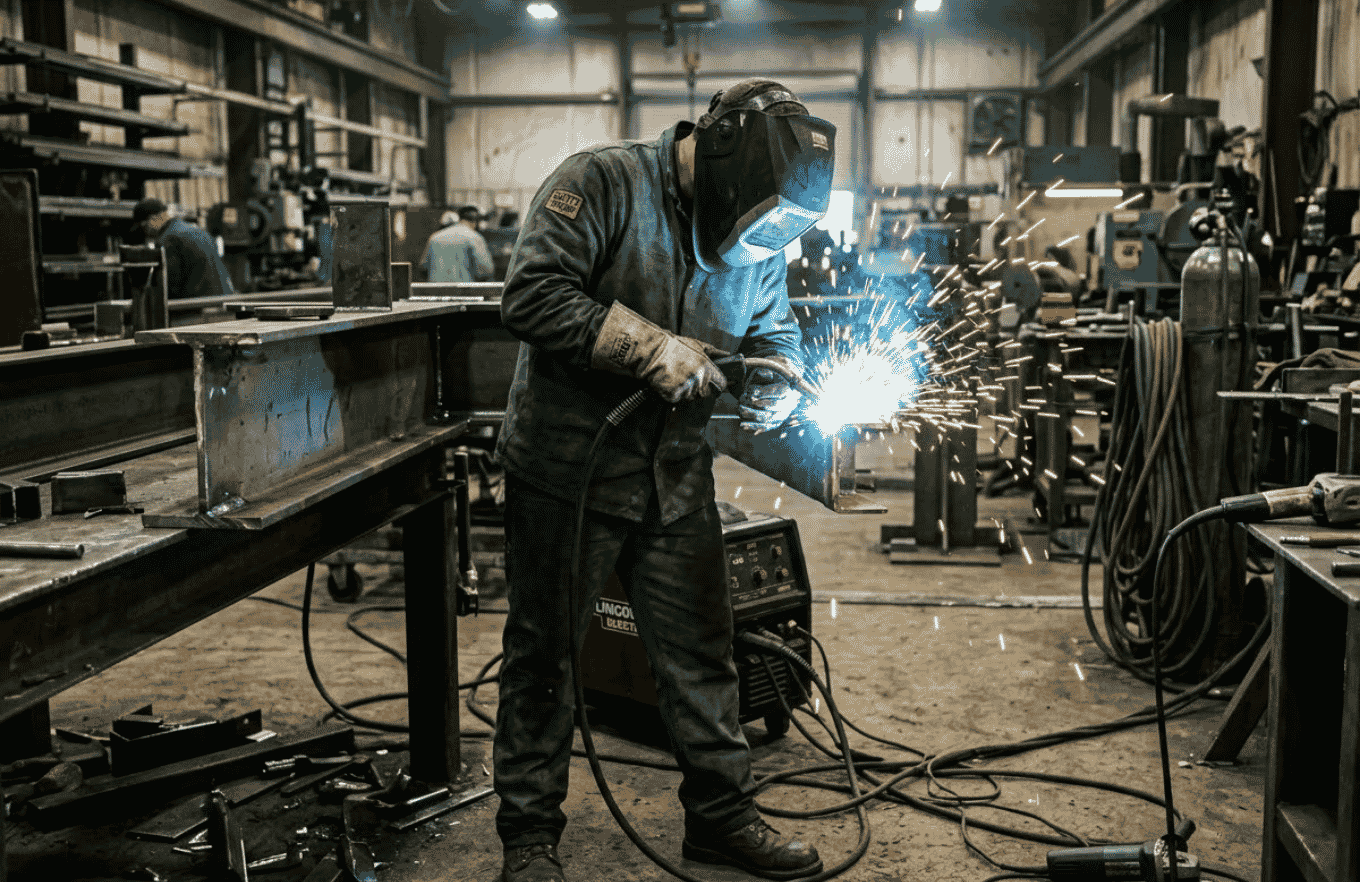
Protective garments may address hazards such as flame, welding spatter, radiant heat, electric arc, limited chemical splash, poor visibility, or weather exposure. No garment protects against every hazard, so the specification must follow the workplace risk assessment and intended use.
A reliable industrial workwear supplier should help organizations maintain:
These outcomes depend on documented controls, not general statements about factory capability.
Before reviewing garments, define the task, exposure level, required body coverage, compatibility with other PPE, and the rules that apply in the destination market. The responsible safety professional should approve the protection specification.
A catalogue description should never replace a hazard-based technical specification.
Ask the supplier to identify the exact standard, edition, class and performance level claimed for the finished product. Relevant standards depend on the assessed hazard and intended market.
Evidence may include:
A fabric report or factory certificate does not by itself prove that the complete garment complies. Model numbers, materials, trims and construction must agree across the sample, technical file and production order.
An experienced PPE garment manufacturer should be able to convert an approved technical file into repeatable production and explain which garment features are critical to protective performance.
Important areas to review include:
The manufacturer should disclose what is produced in-house, what is subcontracted and how every stage is controlled.
Capacity should be evaluated against the buyer’s delivery window, size mix, repeat-order needs and peak demand—not only a headline monthly figure.
Buyers should verify whether the supplier can:
Request evidence, such as recent delivery performance, material lead times, and available capacity, for the required period.
Quality control should verify that every batch follows the approved specification and that any deviation is contained before shipment.
Review controls for:
No fabric, trim, supplier or construction change should be made without documented technical review and buyer approval.
Branding and custom features must be reviewed before approval because embroidery, transfers, pockets, closures, reflective tape and other changes may affect the tested configuration.
A capable protective apparel manufacturer should support:
Require written confirmation that each modification remains within the supported product configuration.
Common procurement failures usually result from incomplete specifications or unsupported assumptions.
Avoid:
A structured evaluation reduces safety, compliance, quality and continuity risk.
PPE clothing is used across industries where employees face physical, chemical, thermal, or environmental hazards.
Common sectors include:
Each industry has different workplace risks, meaning protective clothing should be selected according to the specific task, hazard exposure, and operational environment.
Before ordering, request a technical-document package that identifies the exact finished garment and intended market.
The package should include, as applicable:
Check that all documents use matching model numbers, materials and construction details. General supplier statements are not product evidence.
Samad Workwear supports industrial customers with protective-clothing development, sampling, manufacturing and quality control based on customer requirements and approved technical specifications.
For each proposed model, buyers should request the current product specification and supporting documents, then confirm suitability for the intended hazard, use and destination market.
This evidence-led process helps buyers control product quality, repeat-order consistency and supply planning without relying on broad or unsupported protection claims.
Contact Samad Workwear to discuss your hazard-based specification, documentation requirements, sampling, order volume and delivery programme.
Choosing a PPE clothing supplier requires more than comparing prices. Buyers should assess the hazard-based specification, finished-garment evidence, production controls, traceability, change management, capacity and delivery performance.
The strongest supplier is one that can connect every product claim to the exact garment and reproduce the approved configuration consistently across repeat orders.
A structured qualification process helps protect workers, reduce procurement risk and improve long-term product reliability.
Buyers should check the approved hazard-based specification, applicable standards, finished-garment evidence, quality controls, traceability, change management, capacity, delivery history and complaint process.
No. Fabric data may support part of the technical assessment, but claims should be supported for the exact finished garment, including its seams, closures, trims and construction.
No. Compare suppliers against the same approved specification and also consider evidence, durability, delivery reliability, replacement risk and lifecycle cost.