
.webp)
.webp)
.webp)


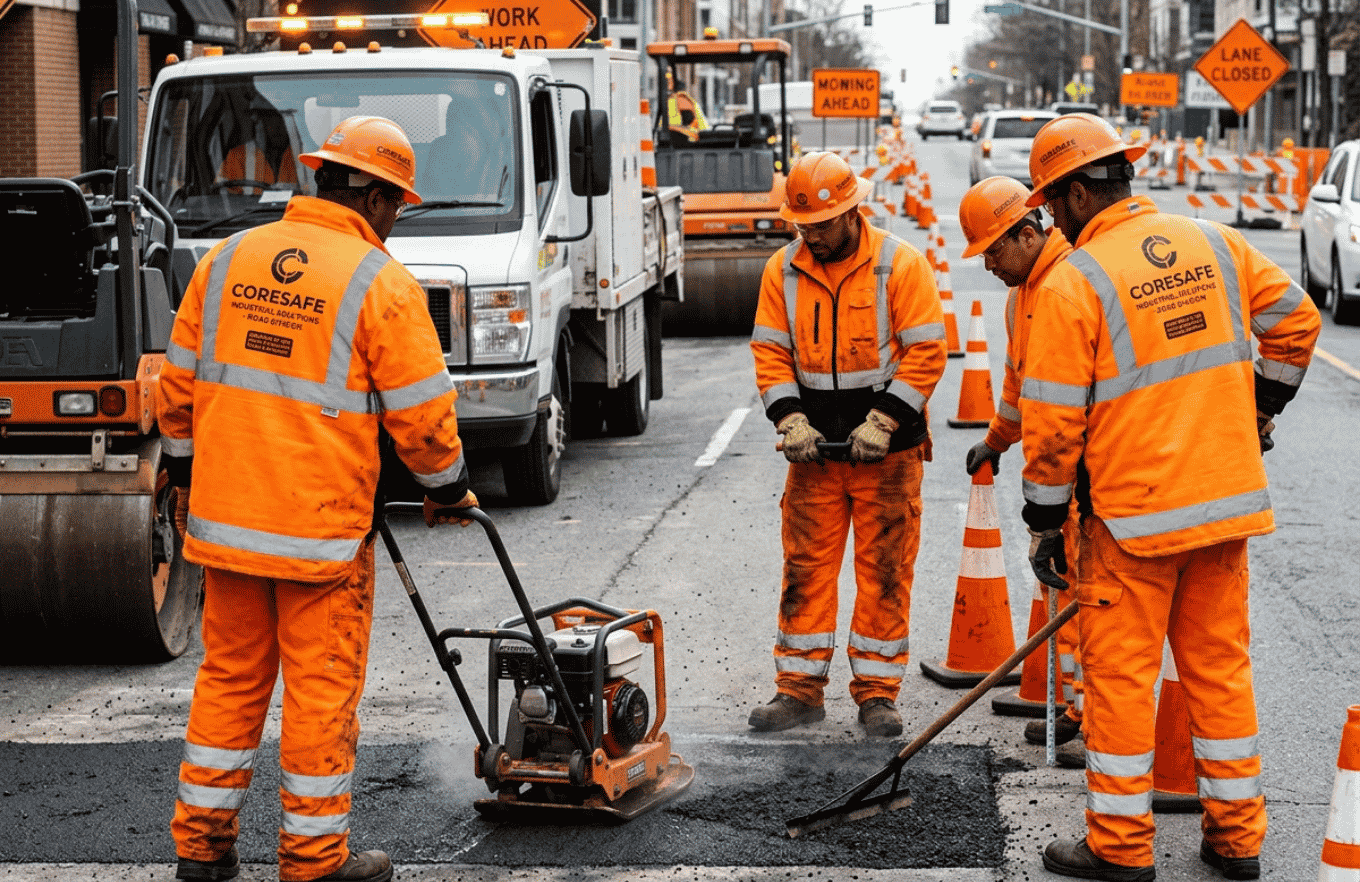
Explore here how choosing the right PPE Clothing Supplier helps prevent delays, quality issues, and supply chain risks while ensuring reliable workplace protection.
Meeting production schedules and maintaining workplace safety depend heavily on reliable workwear deliveries. When orders arrive late or products fail to meet quality expectations, businesses face operational disruptions, increased costs, and unnecessary safety risks. Choosing the right supplier is no longer simply a purchasing decision. It has become a strategic investment that directly impacts productivity and compliance.
A dependable PPE Clothing Supplier offers far more than garments. They provide consistent manufacturing standards, transparent communication, dependable lead times, and quality assurance that keeps projects moving without interruption.
In this article, we are going to explore the most common reasons for supplier delays and quality problems, along with practical strategies that help businesses select dependable partners for long-term success.
Industrial operations cannot afford inconsistent deliveries or poor-quality protective apparel. Delayed shipments can postpone projects, interrupt maintenance schedules, and increase procurement costs. Likewise, defective garments may create workplace hazards and reduce employee confidence.
Working with experienced manufacturers helps organizations maintain smooth operations while protecting employees and strengthening procurement efficiency. Companies like Samad Workwear understand that reliability extends beyond manufacturing and includes planning, communication, inspection, and timely delivery.

One of the leading causes of delayed deliveries is insufficient production capacity. Some suppliers accept orders beyond their capabilities, resulting in extended lead times and inconsistent quality.
Before selecting a supplier, evaluate whether they have:
● Modern manufacturing facilities
● Skilled production teams
● Multiple production lines
● Capacity for bulk orders
● Backup production planning
Manufacturers with established infrastructure are better equipped to manage seasonal demand without sacrificing product quality.
Quality issues rarely happen by accident. Most result from inadequate inspection procedures throughout production.
Reliable manufacturers implement quality control throughout every stage of production to identify issues before they affect the final product. A comprehensive quality assurance process typically includes:
● Raw material and fabric inspection
● PP (Pre-Production) sample approval before bulk manufacturing
● Fabric performance testing where required
● Cutting accuracy verification
● Inline quality control (Inline QC) during stitching and assembly
● Final inspection based on AQL (Acceptable Quality Limit) standards
● Packaging and labeling verification before shipment
Rather than relying solely on final inspections, these quality checkpoints help ensure product consistency, minimize defects, and reduce the risk of costly production delays.
International certifications indicate that manufacturers consistently follow recognized safety and quality requirements.
Common standards include:
● EN ISO 13688 for general protective clothing requirements
● EN ISO 11612 for protection against heat and flames
● EN ISO 11611 for welding protective clothing
● EN 1149-5 for electrostatic protective garments
● EN ISO 20471 for high-visibility clothing
Compliance with recognized standards reflects disciplined manufacturing processes rather than simply meeting minimum specifications.
Miscommunication remains one of the biggest causes of incorrect orders.
Always provide suppliers with detailed information regarding:
● Fabric composition
● Colors
● Sizes
● Logo placement
● Labeling requirements
● Packaging instructions
● Quantity breakdowns
● Delivery schedules
Clear documentation minimizes misunderstandings and reduces costly production revisions.
Furthermore, maintaining written approvals before manufacturing begins helps eliminate confusion later in the production process.
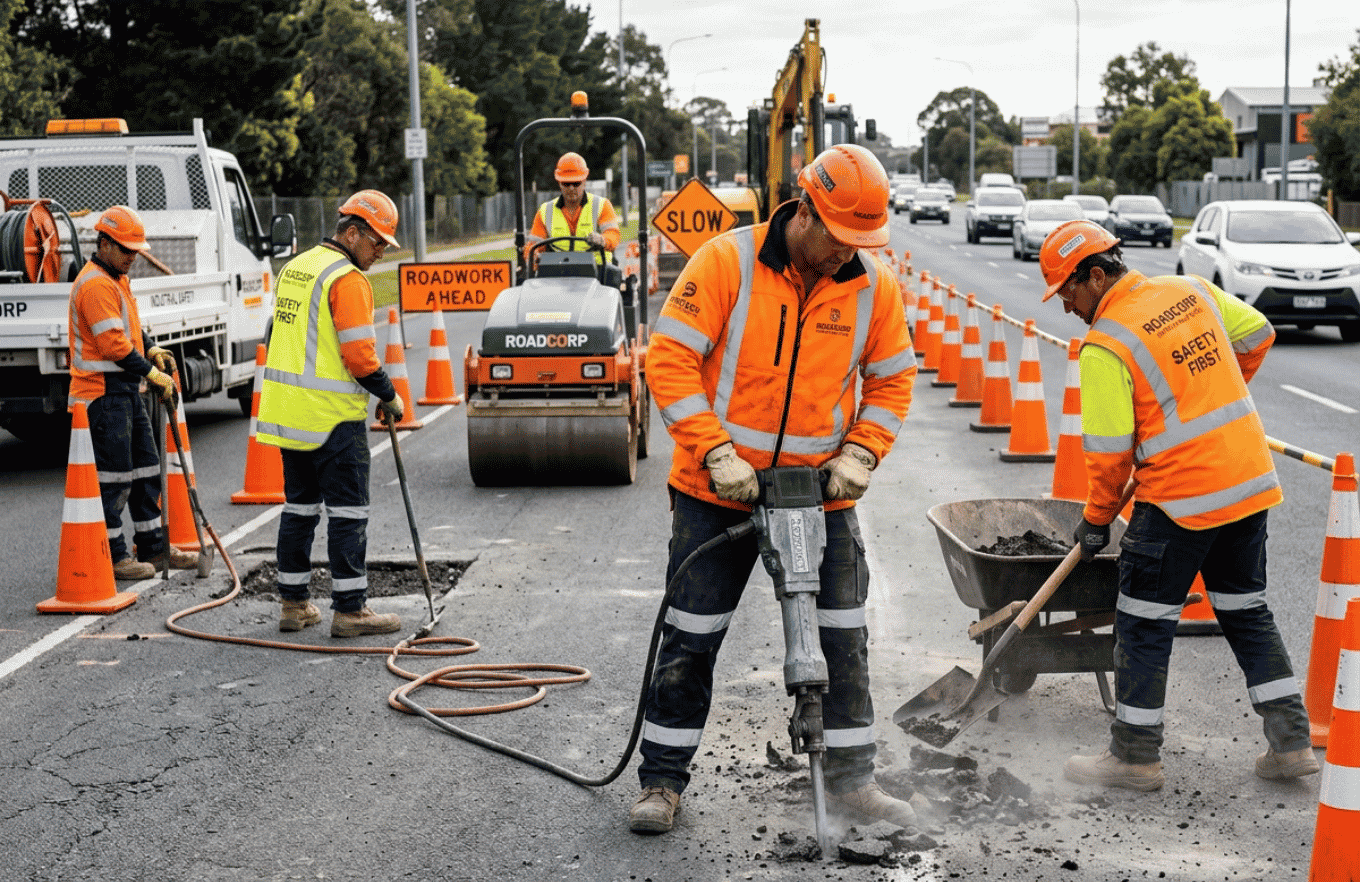
High-quality garments begin with dependable raw materials. Suppliers relying on inconsistent fabric sourcing often struggle with quality variations and production delays.
Reliable manufacturers maintain relationships with trusted material suppliers and implement strict incoming material inspections before production begins.
Many suppliers also conduct fabric performance testing for properties such as strength, colorfastness, shrinkage, and durability to ensure the materials meet both customer specifications and applicable safety standards.
Also, different organizations prefer manufacturers committed to Sustainable Safety Clothing for Industries, combining durable performance with responsible manufacturing practices and environmentally conscious sourcing.
Production quality alone cannot guarantee timely deliveries.
Reliable suppliers also maintain efficient logistics systems, including:
● Inventory planning
● Production scheduling
● Shipping coordination
● Export documentation
● Delivery tracking
Organizations that actively manage their supply chain are better prepared to respond to unexpected challenges without disrupting customer commitments.
Ordering samples before placing bulk purchases allows buyers to evaluate workmanship firsthand. Buyers should also approve a PP (Pre-Production) sample before bulk manufacturing begins. This step confirms that the garment's design, construction, sizing, branding, and specifications meet approved requirements, helping prevent costly revisions and production errors later in the process.
Inspect samples for:
● Fabric consistency
● Stitch quality
● Seam strength
● Comfort
● Overall construction
● Branding accuracy
● Finishing quality
Testing samples under actual working conditions provides valuable insights before committing to larger production volumes.
Changing suppliers frequently often increases risk.
Long-term partnerships encourage better communication, consistent quality, and improved production planning. Suppliers become more familiar with customer specifications, reducing manufacturing errors over time.
Samad Workwear works closely with industrial clients to establish long-term partnerships focused on consistency, continuous improvement, and dependable production planning.
Most importantly, collaborative relationships help both parties anticipate challenges before they affect deliveries.
Selecting suppliers based solely on price frequently leads to hidden expenses later.
Poor-quality garments may require:
● Frequent replacements
● Product returns
● Production delays
● Higher maintenance costs
● Reduced employee satisfaction
Evaluating suppliers based on reliability, manufacturing expertise, quality systems, and service often delivers greater long-term value than choosing the lowest quotation.
Professional suppliers maintain open communication throughout manufacturing.
Important updates should include:
● Production milestones
● Material availability
● Inspection reports
● Shipment schedules
● Delivery confirmations
Transparent communication enables buyers to make informed operational decisions while minimizing uncertainty throughout the procurement process.
Companies such as Samad Workwear recognize that proactive communication is just as important as product quality when serving industrial customers worldwide.
An experienced Industrial Safety Clothing Supplier understands industry-specific safety requirements, manufacturing challenges, and customer expectations.
Years of industry expertise often translate into:
● Better production planning
● Improved quality consistency
● Faster problem resolution
● Reliable lead times
● Stronger compliance management
Similarly, businesses seeking dependable protective apparel increasingly value manufacturers capable of supporting long-term procurement strategies while maintaining consistent product performance.
Organizations committed to Sustainable Safety Clothing for Industries also benefit from suppliers investing in responsible manufacturing technologies and environmentally conscious production methods.
Partner with Samad Workwear, a trusted PPE and Industrial Safety Clothing Supplier, to source high-quality protective apparel with consistent quality, reliable lead times, and dependable service that supports your long-term procurement needs. .
Finishing this off by saying that reliable manufacturing, structured quality control processes including PP sample approval, inline QC, AQL-based final inspections, transparent communication, and efficient logistics all contribute to successful procurement outcomes.
Moreover, a dependable PPE Clothing Supplier helps organizations minimize delays, reduce operational risks, and maintain consistent workplace protection. By evaluating manufacturing capabilities, compliance standards, quality systems, and supply chain reliability, businesses can build partnerships that support both immediate operational needs and future growth.
Evaluate manufacturing capacity, quality control procedures, certifications, communication practices, and production experience before selecting a PPE Clothing Supplier.
An Industrial Safety Clothing Supplier helps maintain reliable deliveries, consistent garment quality, regulatory compliance, and uninterrupted workplace safety across industrial environments.
Sustainable Safety Clothing for Industries helps organizations reduce environmental impact while maintaining durability, regulatory compliance, and long-term value through responsible manufacturing practices.