
.webp)
.webp)
.webp)


Learn how hazard-specific design, suitable materials, proper fit, reliable construction and applicable safety standards make PPE garments effective.
Protective clothing is an essential safeguard for workers exposed to industrial hazards, but simply wearing PPE does not guarantee effective protection. A reliable PPE garment manufacturer considers the complete garment, including materials, construction, fit, closures, seams, coverage, comfort and intended use.
Heat, flame, welding spatter, chemicals, electric arc, abrasion, poor weather, and visibility hazards require different protective solutions. Garments should therefore be selected according to the specific risk rather than appearance or price. Effective PPE must also allow workers to move comfortably and perform their duties without unnecessary restrictions.
A protective garment should be evaluated as a complete system rather than by its fabric alone. Seams, closures, pockets, labels, trims, and reinforcement panels can all affect garment functionality and performance.
The first consideration should always be the hazard. A worker exposed to flame requires different protection from someone handling chemicals, performing welding work, working near energized equipment or operating outdoors. The garment should match the actual task, exposure and applicable requirements.
Fit and usability are equally important. Clothing that restricts movement, creates excessive heat, or interferes with other PPE may discourage proper use. Effective protective clothing balances protection, mobility, comfort, and functionality.
A reliable industrial protective clothing manufacturer should understand how material selection, garment engineering, construction, sizing, components, testing and quality control work together.
Buyers should expect clear technical information about intended applications and relevant performance claims. For bulk orders, consistent sizing, repeatable construction, documented specifications, quality control, and production traceability are also important.
Samad Workwear develops industrial workwear around practical workplace requirements. Material selection, construction, fit, reinforcement, functionality, and customization can be considered according to the intended application.
As a safety garment manufacturer, we support businesses seeking protective clothing developed for demanding industrial environments. Buyers can discuss garment design, sizing, customization, technical requirements, samples and production expectations before larger orders are approved.

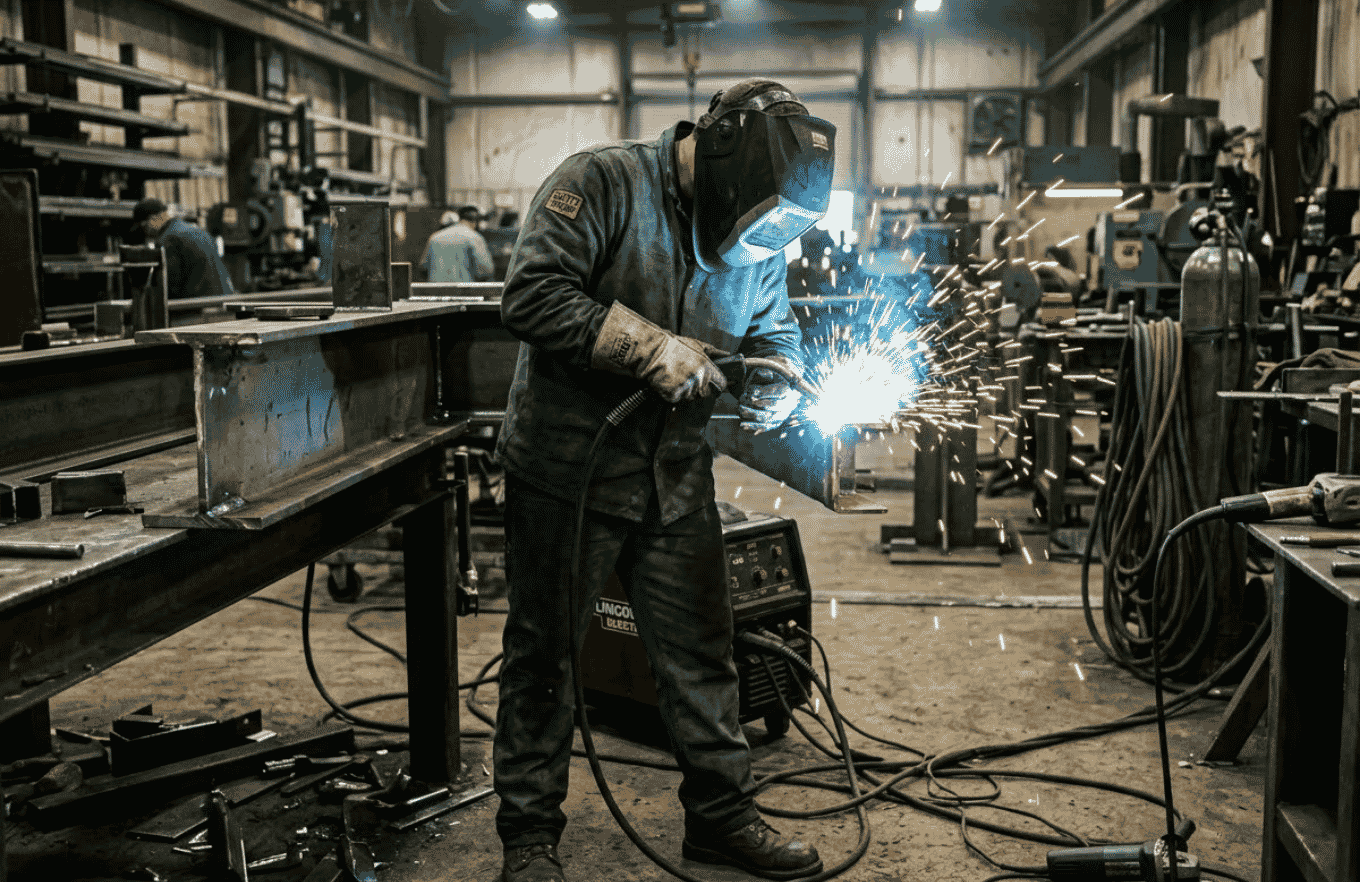
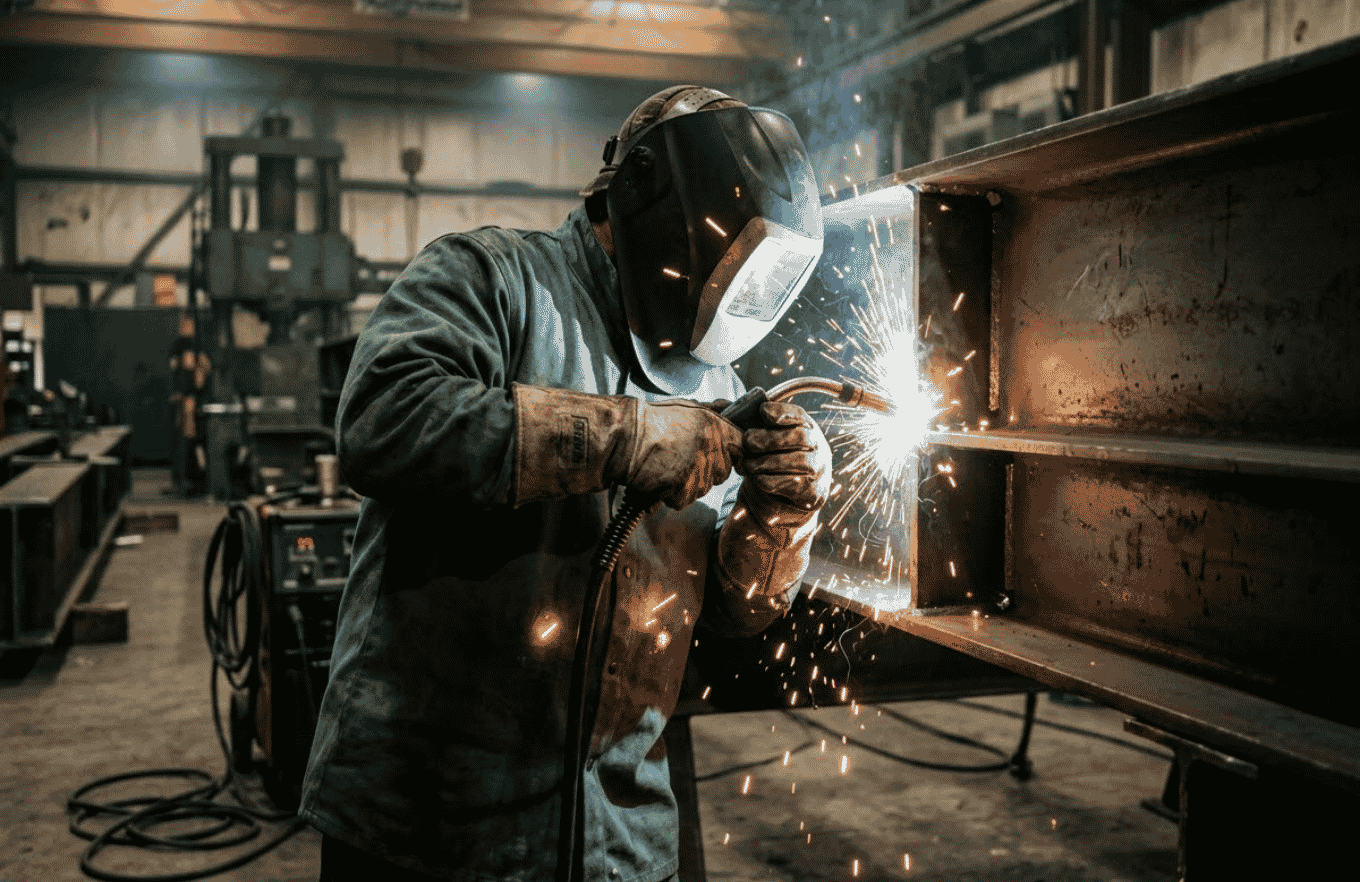
Protective clothing is used across many industries because hazards vary between workplaces. Oil and gas operations may require flame, heat, chemical, and electrostatic protection. Electrical utilities may require garments selected for arc-flash hazards, while welding and metal fabrication can expose workers to sparks, spatter, heat, and abrasion.
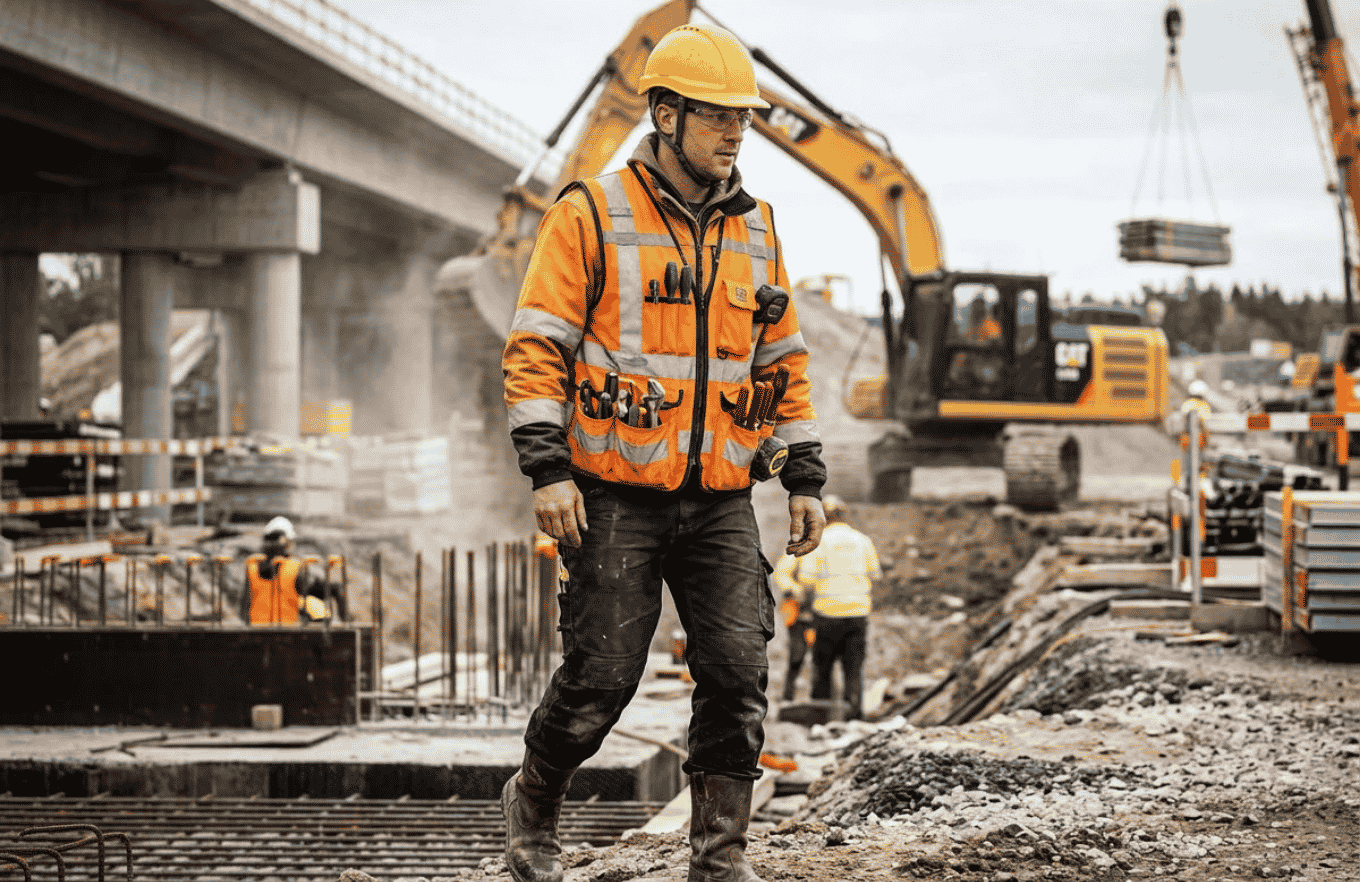
Chemical processing, construction, maintenance, mining, manufacturing, power generation, transportation, foundries, and heavy engineering may also require task-specific protection.
The industry alone should not determine the garment. The actual task, hazard, exposure, and applicable requirements should guide the specification.
Protective clothing requirements vary by hazard, task and destination market. Depending on the application, buyers may need to consider standards such as ISO 11612 for heat and flame, ISO 11611 for welding, IEC 61482-2 for electric-arc hazards or EN 1149-5 for electrostatic properties. These are examples only: the required standard, protection level, garment design, testing and certification should be confirmed for the specific workplace risk. Protective performance should not be assumed for every garment or fabric.
Before ordering, buyers should review:
Requesting samples before bulk production can help businesses evaluate fit, construction, functionality, and suitability under realistic working conditions.
PPE procurement should not end with selecting a garment and placing an order. Businesses should establish appropriate inspection, care, replacement, and documentation procedures to help maintain intended performance throughout the garment's service life.
A knowledgeable manufacturing partner can also help businesses align garment development with application requirements, technical specifications, customization, and production needs. This makes protective clothing a more considered investment rather than a purchase based only on initial price.
Effective PPE is more than a protective-looking uniform. Its performance depends on hazard-specific design, suitable materials, reliable construction, correct fit, documented conformity with applicable standards, durability and proper maintenance.
Businesses should evaluate protective clothing from both safety and operational perspectives. An experienced PPE garment manufacturer can help connect workplace requirements with material selection, garment engineering, production quality and technical documentation.
We support businesses with workwear solutions for industrial operations, manufacturing, construction, utilities, welding and other demanding environments. Buyers can discuss technical design, functionality, materials, customization, sampling, quality control and bulk production requirements to develop solutions suited to their workforce.
Contact Samad Workwear to discuss customized designs, samples and bulk manufacturing requirements.
Businesses should evaluate manufacturing experience, material knowledge, garment construction, quality-control processes, customization capabilities, technical documentation and application-specific expertise.
An experienced manufacturer helps translate workplace hazards into suitable garment designs by considering materials, construction, coverage, fit, functionality and applicable performance requirements.
A safety garment manufacturer develops garments around protective requirements rather than producing standard uniforms alone, considering materials, construction, functionality, quality control and intended use.