
.webp)
.webp)
.webp)


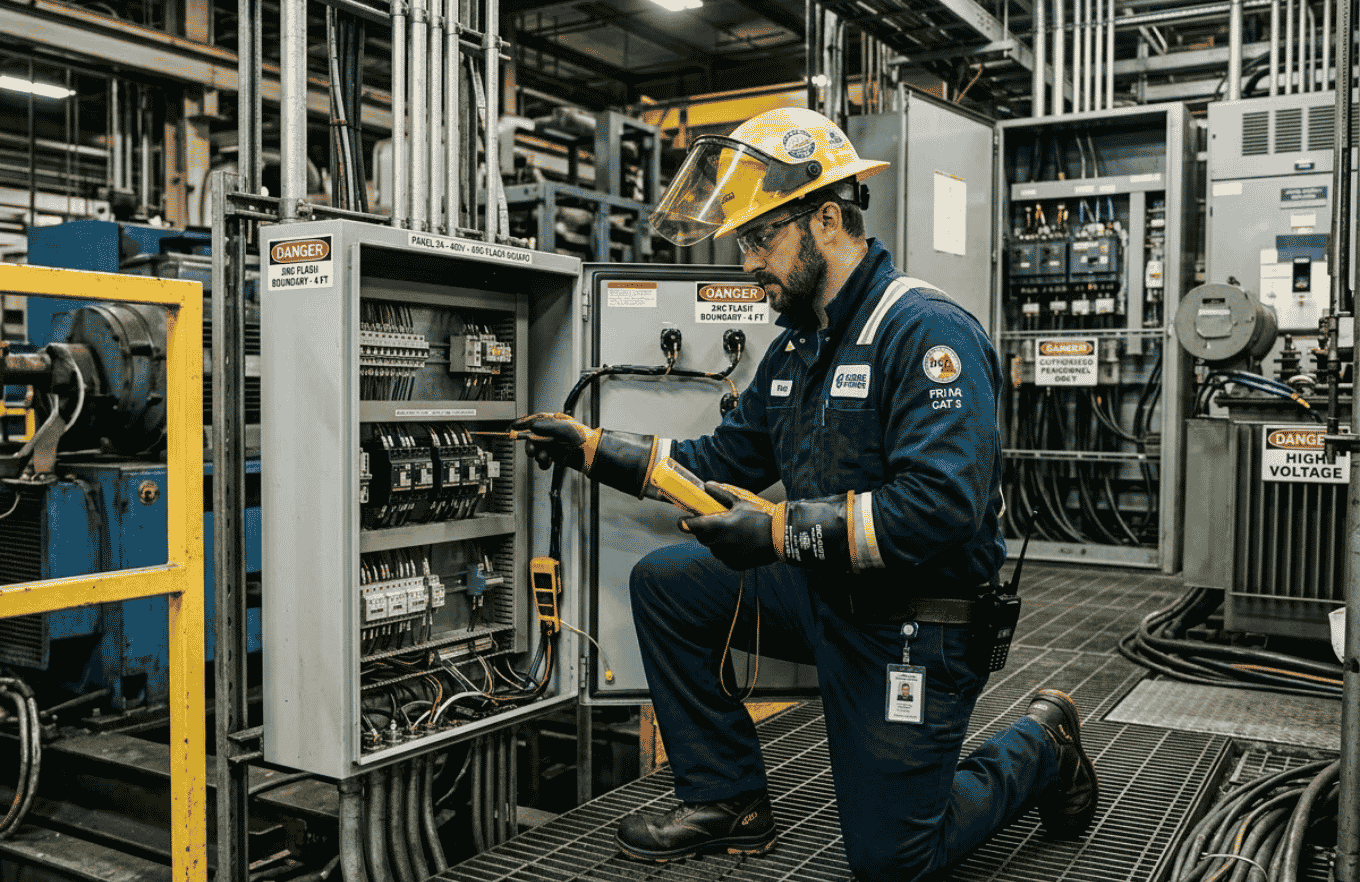
Learn how to select flame-resistant workwear for arc-flash hazards by evaluating arc ratings, garment construction, fit, applicable standards and technical documentation.
An electrical arc flash can expose workers to intense thermal energy, molten material and other hazards within a very short period. Selecting flame-resistant workwear for these conditions therefore requires more than choosing clothing described only as flame-resistant.
The garment should match the task-specific risk assessment, required protection level, working conditions and applicable legal or workplace requirements. Buyers should verify the finished garment's arc performance, construction, coverage, fit and supporting documentation before approval.
An arc flash can generate severe heat capable of igniting ordinary clothing or causing unsuitable materials to continue burning. General industrial clothing, and even flame-resistant clothing without documented arc performance, should not automatically be treated as suitable for electric-arc exposure.
Selection should begin with a task-specific risk assessment covering the electrical hazard, expected incident energy or required arc-protection class, work activity, body coverage and other PPE. Flame-resistant workwear should then be selected against those requirements by a competent safety professional.
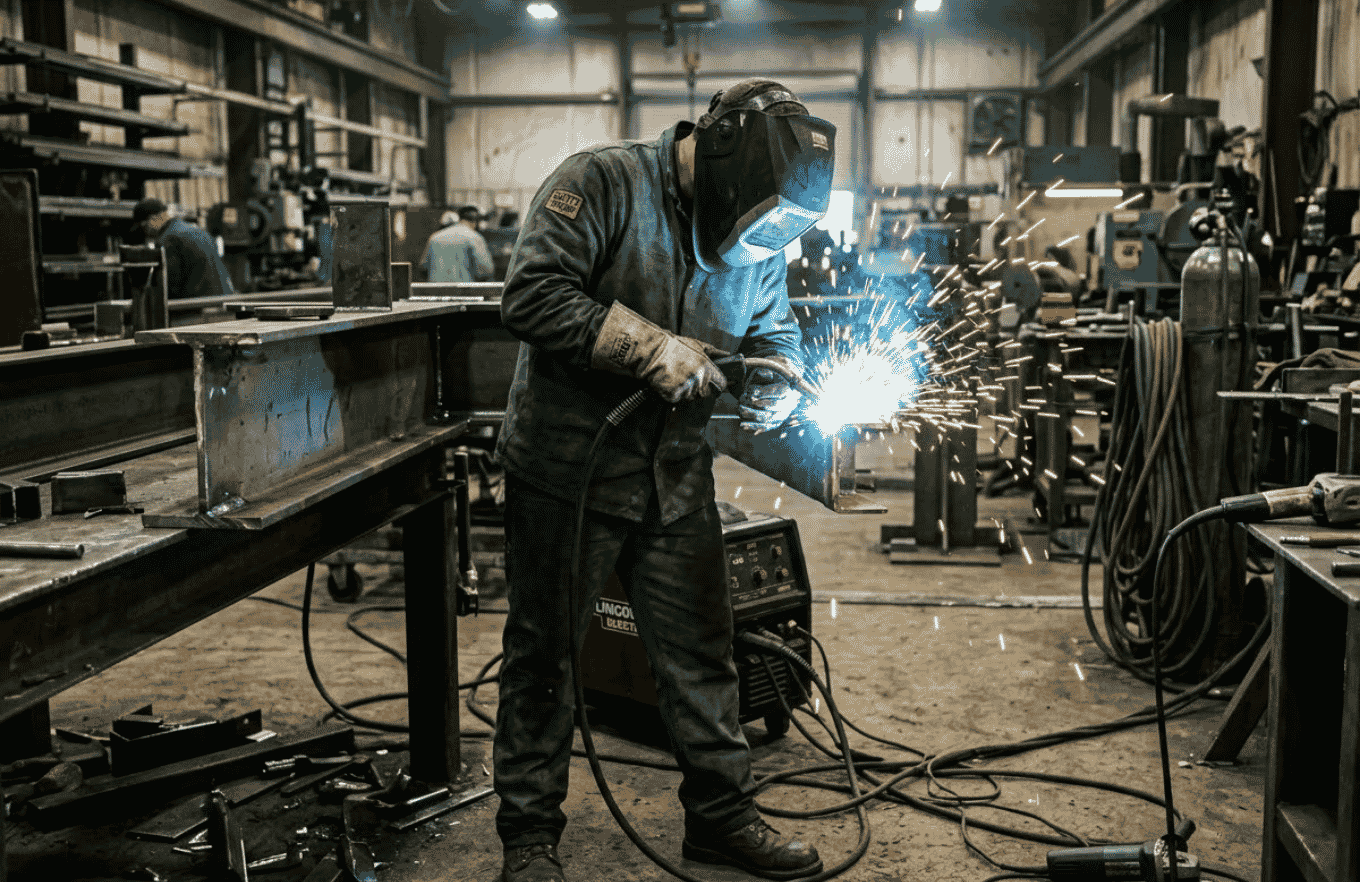
Flame-resistant materials are intended to resist ignition and limit flame spread under specified conditions, while arc performance relates specifically to thermal exposure from an electric arc. ISO 11612 addresses specified heat-and-flame hazards but does not by itself establish electric-arc protection.
FR clothing should therefore not automatically be described as arc-rated. Buyers should verify the applicable standard, test method, reported ELIM, ATPV or EBT value, or arc-protection class, together with finished-garment documentation and exact product identification.
A reliable arc-rated workwear supplier should connect every arc-protection claim to the complete garment rather than fabric data alone. An FR clothing supplier should also confirm which materials, seams, closures, reflective components and trims are covered by the supporting documentation.
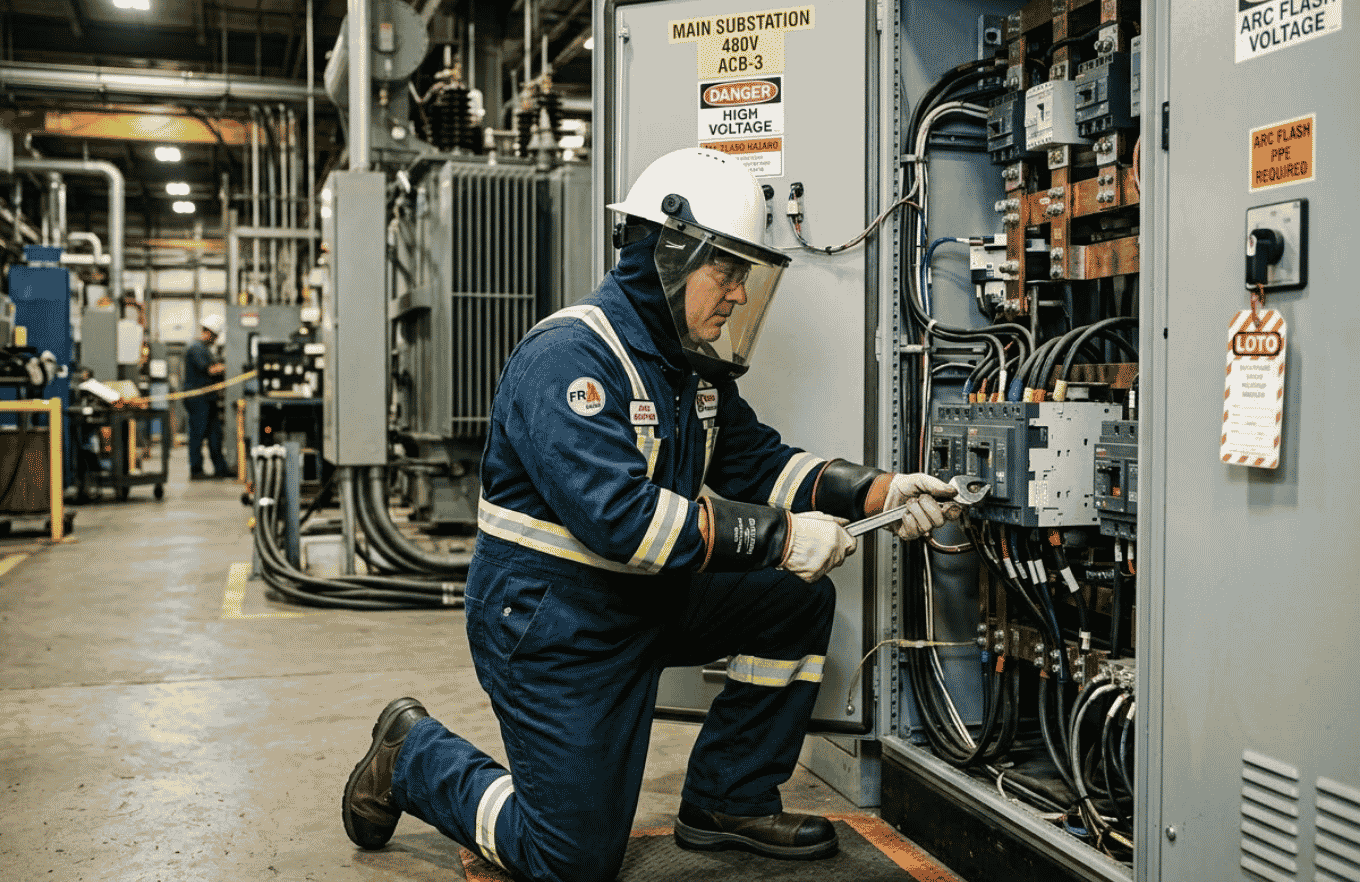
Material choice affects thermal performance, garment weight, comfort and service life. However, fabric performance alone does not establish the arc performance of the finished garment.
Seams, sewing thread, closures, cuffs, pockets, reflective components and reinforcement areas can influence final performance. Buyers should review evidence for the exact configuration that will be supplied, including the effect of any logo, embroidery or customization.
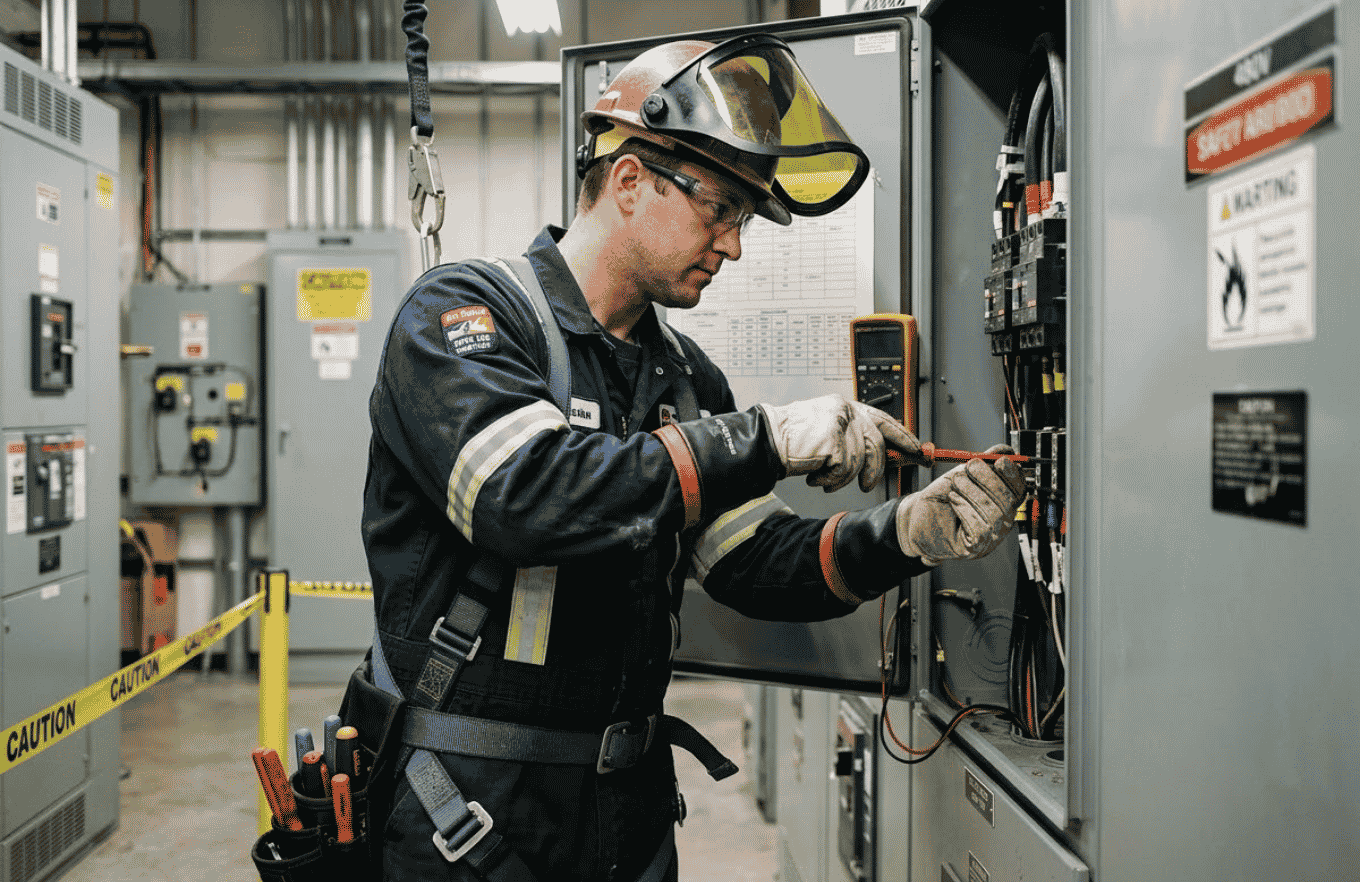
Protective clothing should provide suitable coverage without unnecessarily restricting movement. Incorrect sizing may interfere with work or create gaps during movement, while excessive tightness can reduce the insulating air layer between the garment and wearer.
Flame-resistant workwear should be evaluated as part of the complete PPE system, including any required base layers, outer layers, gloves, face, head and hearing protection. IEC 61482-2 addresses thermal arc hazards; it does not cover electric shock or all other effects of an arc event.
Samad Workwear offers an FR arc-protection jacket for industrial applications where heat and flame, electric-arc and electrostatic requirements may need to be considered together. The applicable claims must be confirmed against the current documentation for the exact finished-garment model.
The jacket uses inherently flame-resistant fabric and includes a concealed front zipper with a hook-and-loop storm flap, adjustable cuffs, multiple pockets, reflective tape and reinforced seams. All materials and components should remain consistent with the approved and documented garment configuration.
Subject to confirmation against the exact certificate and test reports, the supplied specification identifies:
● EN ISO 11612, covering minimum performance requirements for clothing used against specified heat and flame hazards.
● EN IEC 61482-2, covering requirements for protective clothing against the thermal hazards of an electric arc. The exact edition and documented open-arc rating or box-test class should be stated on the product documentation.
● EN 1149-5, covering electrostatic dissipative protective clothing. This standard does not protect against electric shock and should not be presented as an arc-rating standard.
An experienced arc-rated workwear supplier should support material selection, technical specifications, sizing, sampling and production consistency.
Samad Workwear supports industrial customers with garment development, sampling and manufacturing based on approved requirements. A capable FR clothing supplier should provide current documentation supporting finished-product claims, care instructions and intended-use limitations.
Before approval, businesses should review:
● The task-specific electrical hazard
● Required incident-energy rating or arc-protection class
● Applicable standard editions, test methods and finished-garment documentation
● Materials, seams, closures and construction
● Fit, sizing and body coverage
● Compatibility with all other required PPE and clothing layers
● Care, laundering, repair, inspection and replacement requirements
● Customization controls and production consistency
Any change to fabric, thread, trims, closures, reflective tape, branding or construction should be technically reviewed before bulk approval because it may affect the documented garment configuration and performance.
Selecting protective clothing for arc-flash hazards requires a hazard-based approach. Flame resistance alone should not be treated as evidence of documented electric-arc protection.
Buyers should assess the required arc rating or class, complete-garment construction, fit, applicable standards and documentation together. An experienced arc-rated workwear supplier can help translate these requirements into an approved specification, while an FR clothing supplier should maintain consistency between the documented configuration and bulk production.
Contact Samad Workwear to discuss arc-protective workwear requirements, product specifications, samples, supporting documentation and bulk manufacturing needs. Final PPE selection should follow a task-specific risk assessment by the responsible safety professional.
No. Buyers should verify documented electric-arc performance for the exact finished garment and ensure that it meets the protection level identified by the workplace risk assessment.
An arc-rated workwear supplier should provide the applicable standard and edition, test method, reported arc rating or class, finished-garment identification, sizing information, care instructions and evidence supporting product claims.
An FR clothing supplier should provide clear product information, controlled specifications, supporting documentation, stated limitations and consistent production. FR performance should not be represented as arc-rated performance unless the claim is properly documented.