
.webp)
.webp)
.webp)


Explore this guide on Safety Garments Manufacturer standards, PPE compliance, and sustainable safety clothing for industries, ensuring global protection needs.
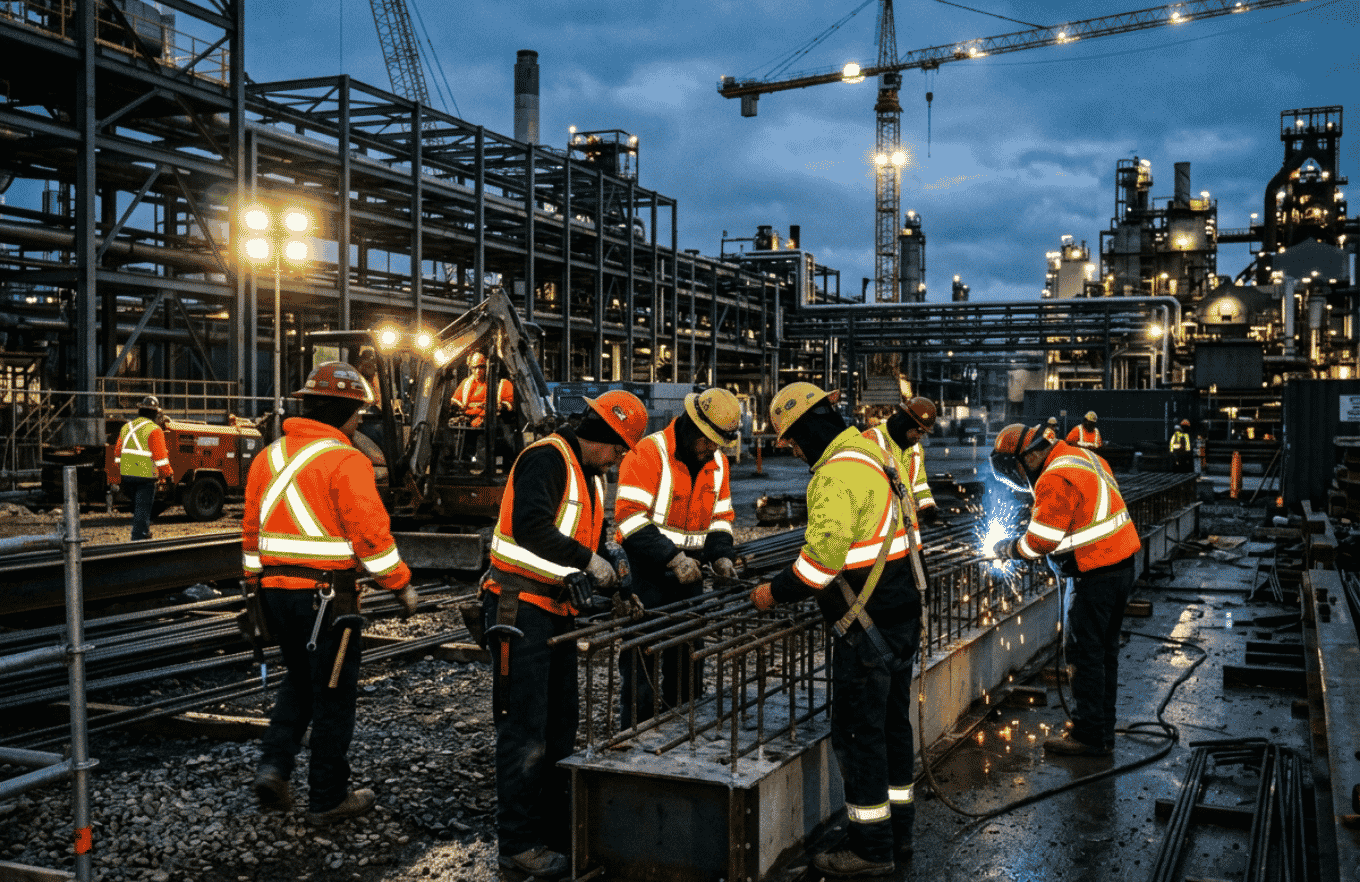
A Safety Garments Manufacturer plays a critical role in ensuring worker protection across hazardous industrial environments where risks are constant, and compliance is mandatory. From oil and gas to construction and heavy engineering, proper protective clothing is not optional but a regulated requirement. A reliable Safety Garments Manufacturer ensures that garments meet international safety benchmarks while also aligning with comfort and durability expectations.
Well, in modern industries, PPE Garments Manufacturer capabilities have evolved beyond basic protection. Today, sustainability, ergonomic design, and compliance with global standards have become equally important. Many organizations also demand Sustainable Safety Clothing for Industries as part of their ESG and environmental responsibility goals. Furthermore, Eco-Friendly Workwear Production in Pakistan is gaining attention due to its balance of cost efficiency and responsible manufacturing practices.
This guide explains how safety garments are designed, tested, and certified while highlighting industry requirements and compliance standards that ensure maximum protection in real working conditions.
A Safety Garments Manufacturer is responsible for designing and producing protective clothing that minimizes workplace hazards such as heat, flame exposure, chemical contact, and mechanical risks. These manufacturers serve industries where worker safety cannot be compromised.
A modern Safety Garments Manufacturer ensures compliance with global certifications such as:
● EN ISO 11612 for heat and flame protection
● EN ISO 11611 for welding protection
● EN 1149 for anti-static properties
● ANSI/ISEA 107 for high visibility clothing
● NFPA 2112 for flame-resistant industrial garments
Moreover, PPE Garments Manufacturer processes include fabric testing, stitching durability checks, and thermal resistance evaluations to ensure garments perform under extreme conditions.
Samad Workwear is recognized in the industry for producing certified protective clothing that meets international compliance requirements while supporting large-scale industrial export demands.
A PPE Garments Manufacturer does more than production; it ensures complete lifecycle safety integration.
Fabric selection is the foundation of protective clothing. Materials are chosen based on hazard exposure levels, including flame, arc flash, chemical splash, or mechanical abrasion.
Garments are designed to ensure mobility, ventilation, and protection simultaneously. Reinforced seams and heat-resistant stitching threads are commonly used.
Each garment batch undergoes strict laboratory testing aligned with EN, ISO, and ASTM standards to validate performance.
Final production includes multi-stage inspections ensuring dimensional accuracy, stitching integrity, and durability under stress conditions.
The demand for Sustainable Safety Clothing for Industries is increasing due to global environmental concerns and corporate sustainability commitments. Companies are now prioritizing eco-friendly production processes that reduce water usage, chemical waste, and carbon emissions.
Key sustainability practices include:
● Use of recycled polyester and organic cotton blends
● Low-impact dyeing processes
● Reduced chemical finishing treatments
● Energy-efficient manufacturing systems
Additionally, Eco-Friendly Workwear Production in Pakistan is gaining global recognition for delivering cost-effective yet environmentally responsible solutions.
Samad Workwear integrates sustainable production methods while maintaining compliance with industrial safety standards, making it a preferred partner for international buyers.
Protective clothing manufactured by a Safety Garments Manufacturer is used across multiple high-risk sectors.
Workers require flame-resistant and anti-static garments to prevent ignition hazards.
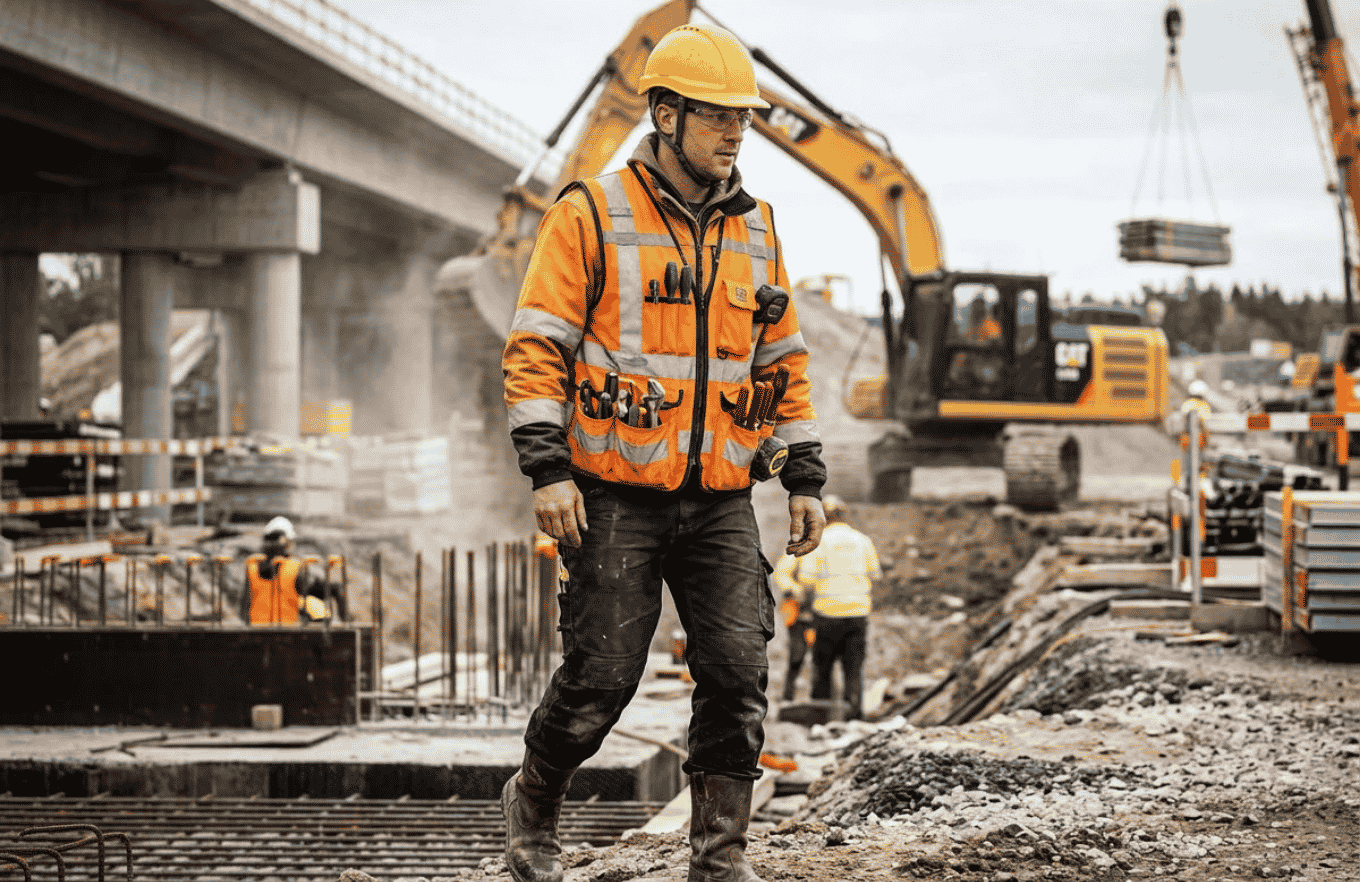
High visibility and abrasion-resistant clothing ensure safety in dynamic environments.
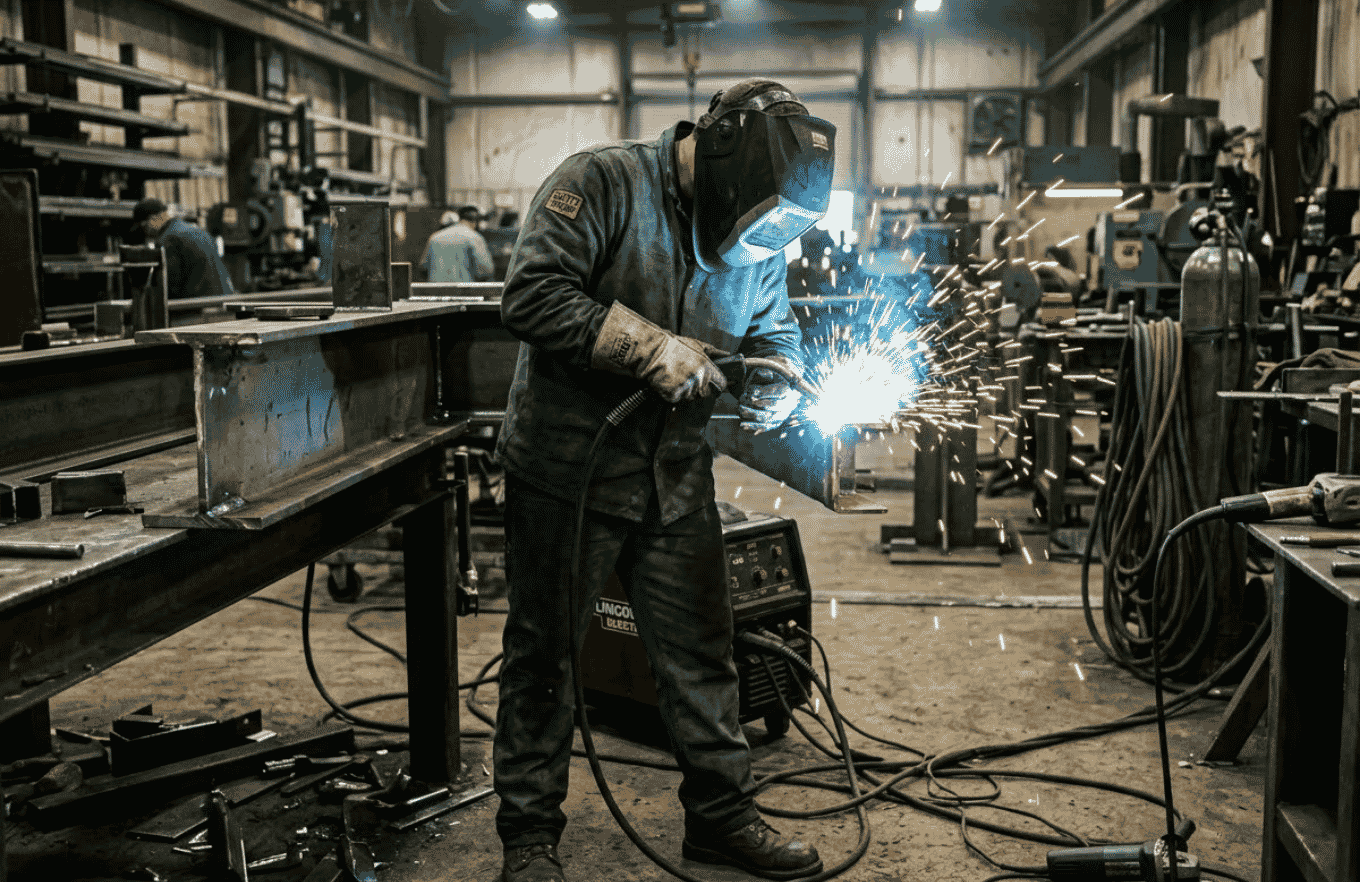
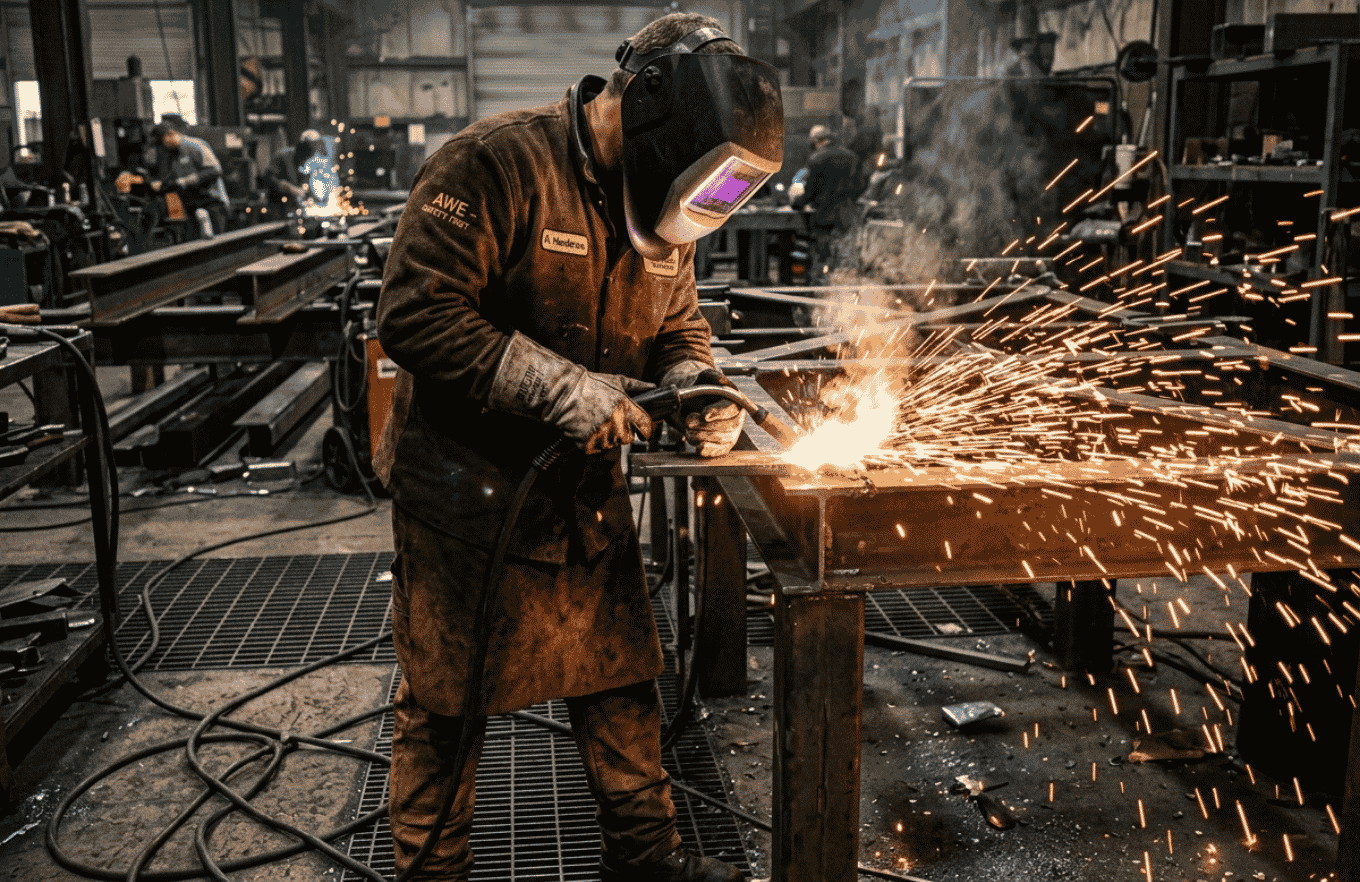
EN ISO 11611-certified garments protect against sparks and molten metal exposure.
Chemical-resistant suits protect against corrosive substances and toxic exposure.
Standards ensure that PPE meets minimum safety requirements under real industrial conditions.
● H3 EN ISO 11612
Protects against heat and flame exposure in industrial environments.
● H3 EN ISO 11611
Designed for welding and related processes involving sparks and heat.
● H3 EN 1149
Ensures anti-static properties in explosive or sensitive environments.
● H3 ANSI/ISEA 107
Defines visibility requirements for high-risk outdoor environments.
These standards are strictly followed by every responsible Safety Garments Manufacturer to ensure global compliance.

Sustainability is no longer optional in PPE manufacturing. A forward-thinking PPE Garments Manufacturer integrates eco-friendly processes into every production stage.
Furthermore, Sustainable Safety Clothing for Industries ensures long-term environmental balance while maintaining worker safety. Eco-Friendly Workwear Production in Pakistan supports global supply chains with reduced environmental impact and competitive pricing.
Why Businesses Choose Professional Manufacturers?
Companies prefer experienced manufacturers due to:
● Certified production systems
● Consistent quality control
● Custom design flexibility
● International compliance assurance
● Scalable production capacity
Samad Workwear has built its reputation by delivering certified industrial garments across global markets with consistent reliability and technical precision.
A Safety Garments Manufacturer is essential for ensuring workplace protection, compliance, and operational safety across industrial sectors. From PPE Garments Manufacturer standards to sustainable production practices, the industry continues to evolve toward safer and more environmentally responsible solutions.
With increasing demand for Sustainable Safety Clothing for Industries and Eco-Friendly Workwear Production in Pakistan, manufacturers are now expected to balance safety, quality, and sustainability in every garment they produce.
Partner with Samad Workwear for certified protective clothing solutions engineered for safety, compliance, durability, and sustainable industrial performance across demanding global work environments and industries.
A Safety Garments Manufacturer designs and produces protective clothing that meets industrial safety standards for hazardous working environments globally.
A PPE Garments Manufacturer ensures garments protect against fire, chemicals, and mechanical risks while meeting international safety certifications.
It reduces environmental impact while maintaining worker safety, supporting long-term eco-friendly industrial operations, and compliance goals.