
.webp)
.webp)
.webp)


Compare welding sleeve materials, fit, coverage, and EN ISO 11611 classes, and learn which documents to verify before a bulk order.
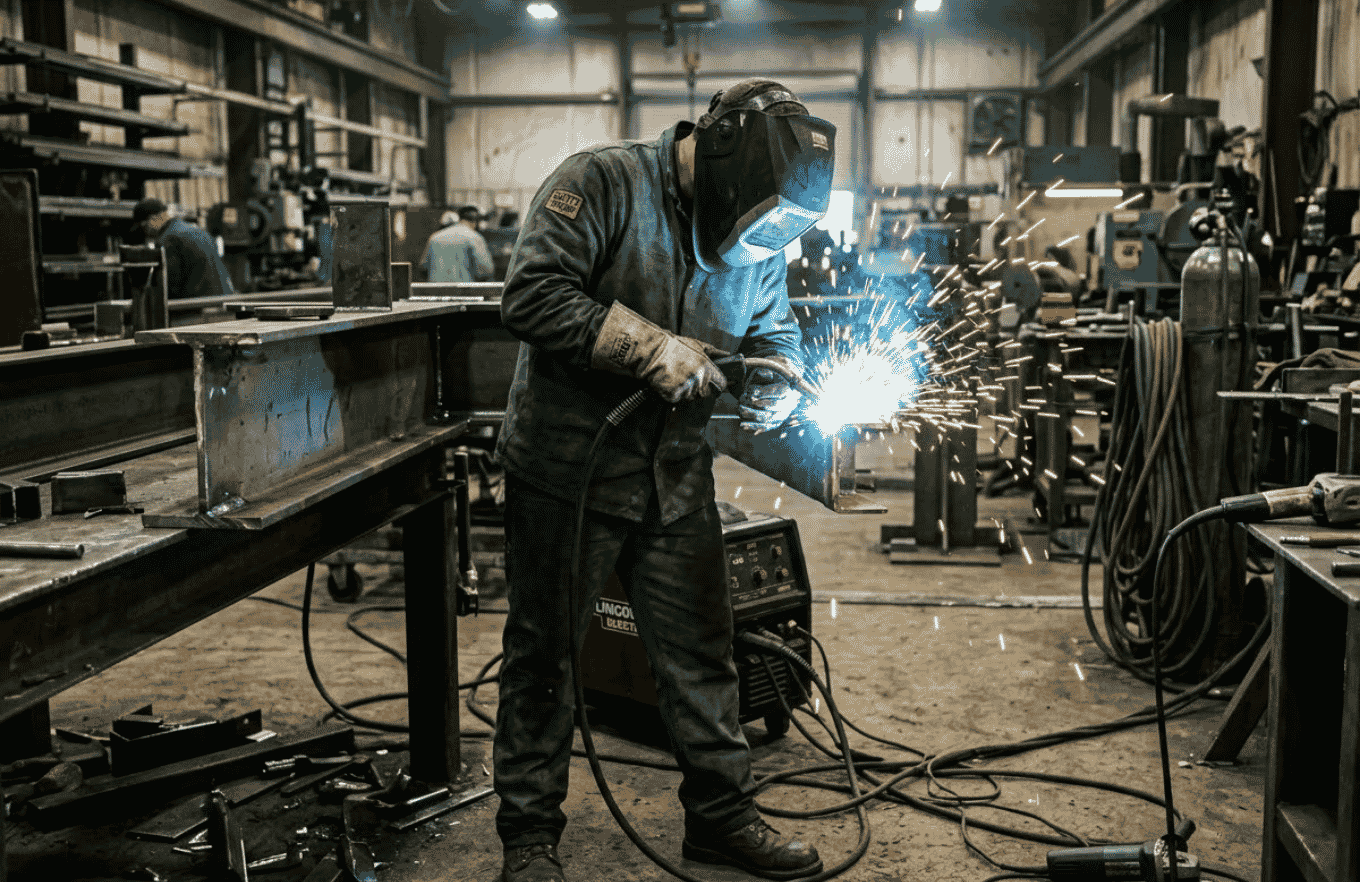
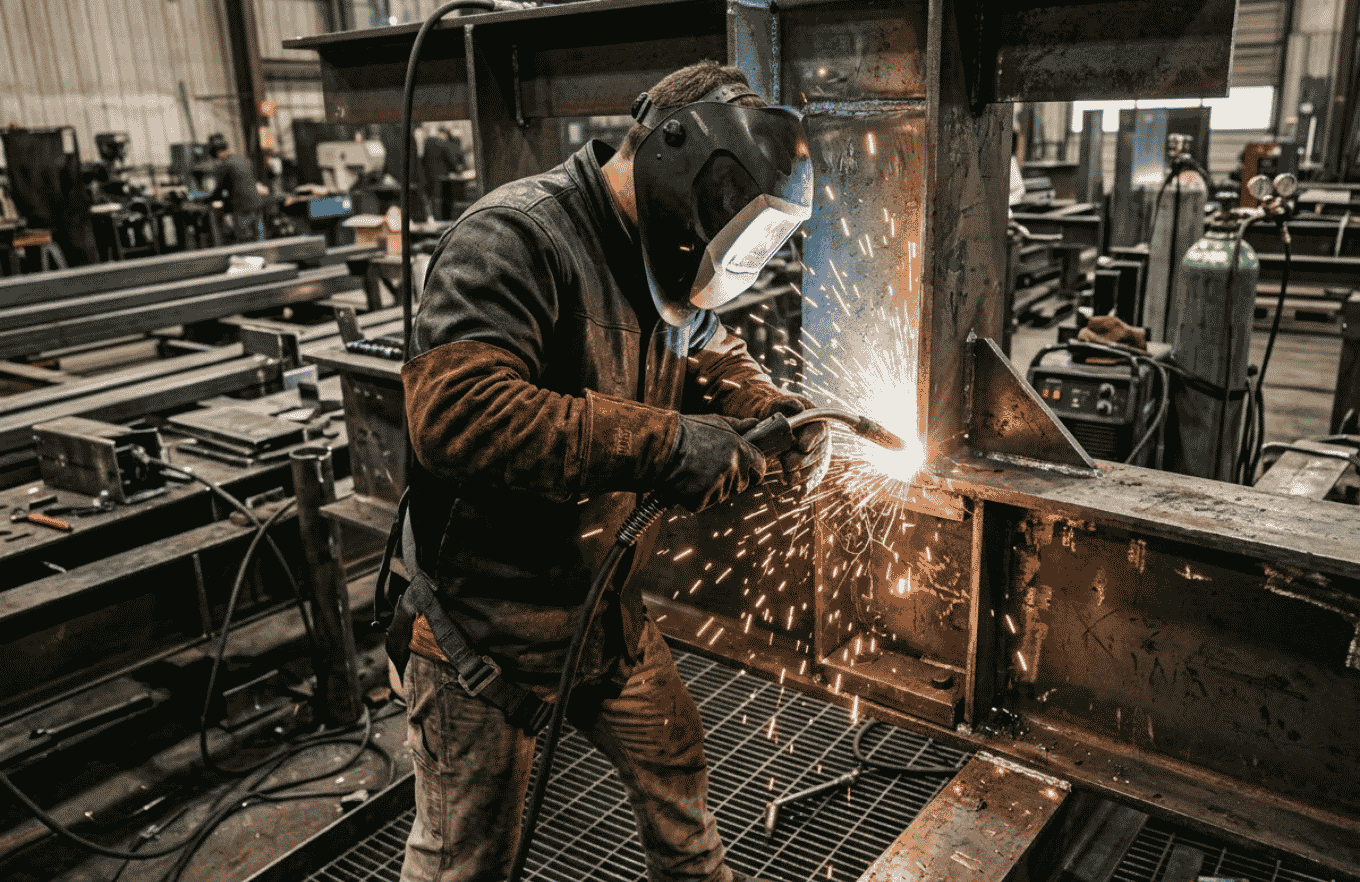
Welding can expose the arms to sparks, hot spatter, slag, brief flame contact, radiant heat, and ultraviolet and infrared radiation. Sleeves can help reduce exposure to specified arm hazards when correctly selected and used as part of a complete PPE system.
The word “welding” is not a protection rating. Buyers should evaluate the welding process, exposure level, work position, material, finished-product construction, fit, and supporting documentation before approving a sleeve.
This guide explains how industrial buyers can select welding sleeves without confusing a material description with documented finished-product performance.
Forearms may be positioned close to sparks, hot droplets, slag and radiant heat. The level and direction of exposure can change with the process, current, duration and welding position.
Properly selected welding arm protection can help provide:
● Coverage against the specified spark, spatter and brief flame hazards.
● Reduced exposure to documented heat hazards within the product’s limitations.
● Controlled overlap between gloves and upper-body protective clothing.
● A secure fit that supports movement without exposing gaps.
Sleeves do not control fumes, gases, electrical ris,k or every radiation hazard. They must be selected through a task-specific risk assessment and combined with all other required controls and PPE.
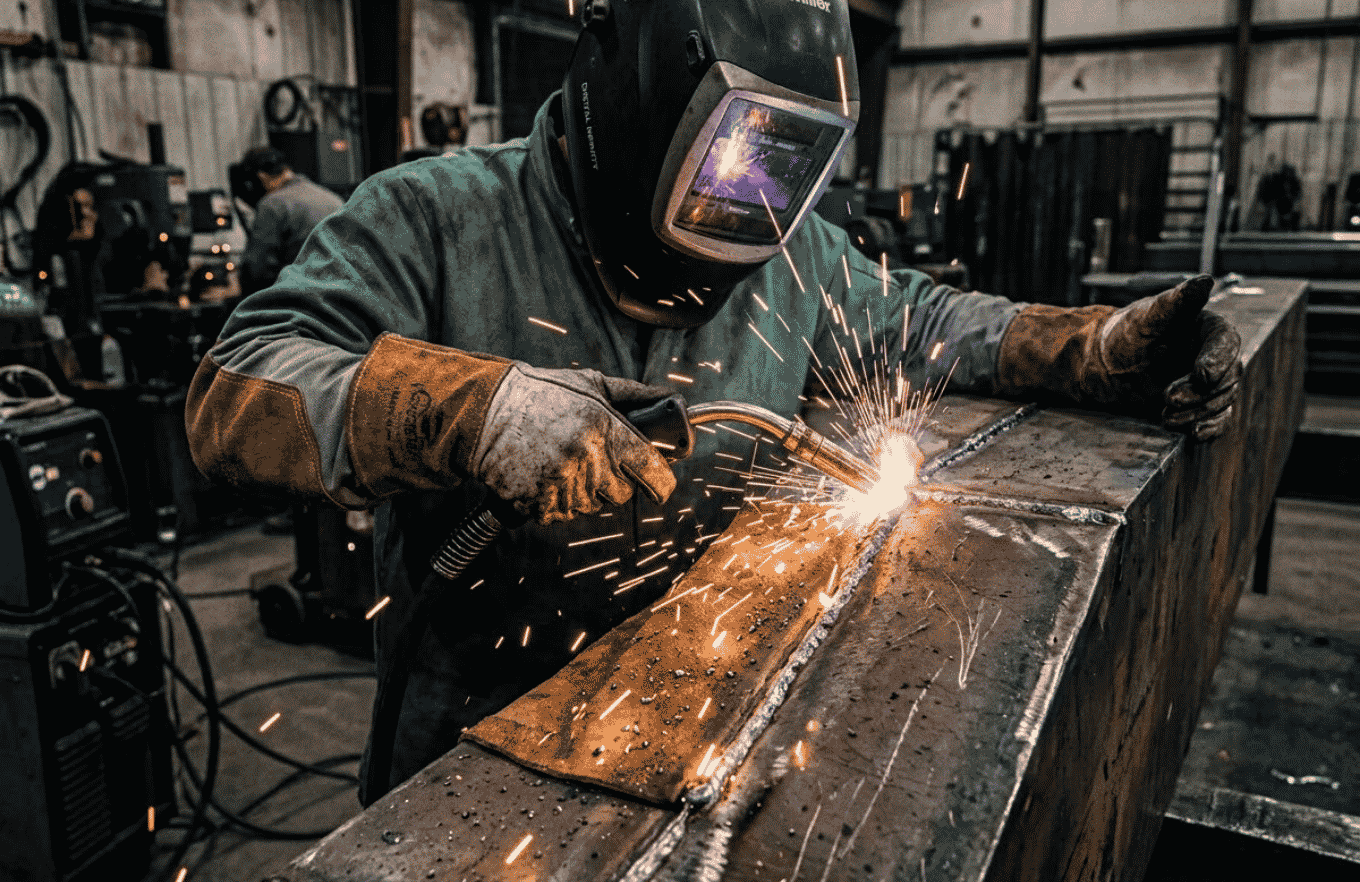
Start with the welding process, spatter level, radiant heat, work position and exposure duration. Compare materials using documented performance, weight, flexibility, heat burden, cleaning limits and expected service life.
Leather, flame-resistant textiles, coated textiles and hybrid constructions may each be appropriate in particular conditions. A material name alone does not establish a protection class or product suitability.
Protective performance depends on the finished sleeve, including its seams, thread, closures, dimensions, reinforcement and interface with other PPE.
Buyers should verify:
● Seam and thread construction supported for the intended application.
● Secure closures that remain in place without unsafe tightness or slippage.
● Coverage during reaching, bending and repeated arm movement.
● Correct overlap with glove cuffs and upper-body protective clothing.
● Mobility, heat burden and compatibility during supervised wearer trials.
A gap at the wrist or upper arm, a loose opening, or an unapproved alteration can reduce effective coverage.
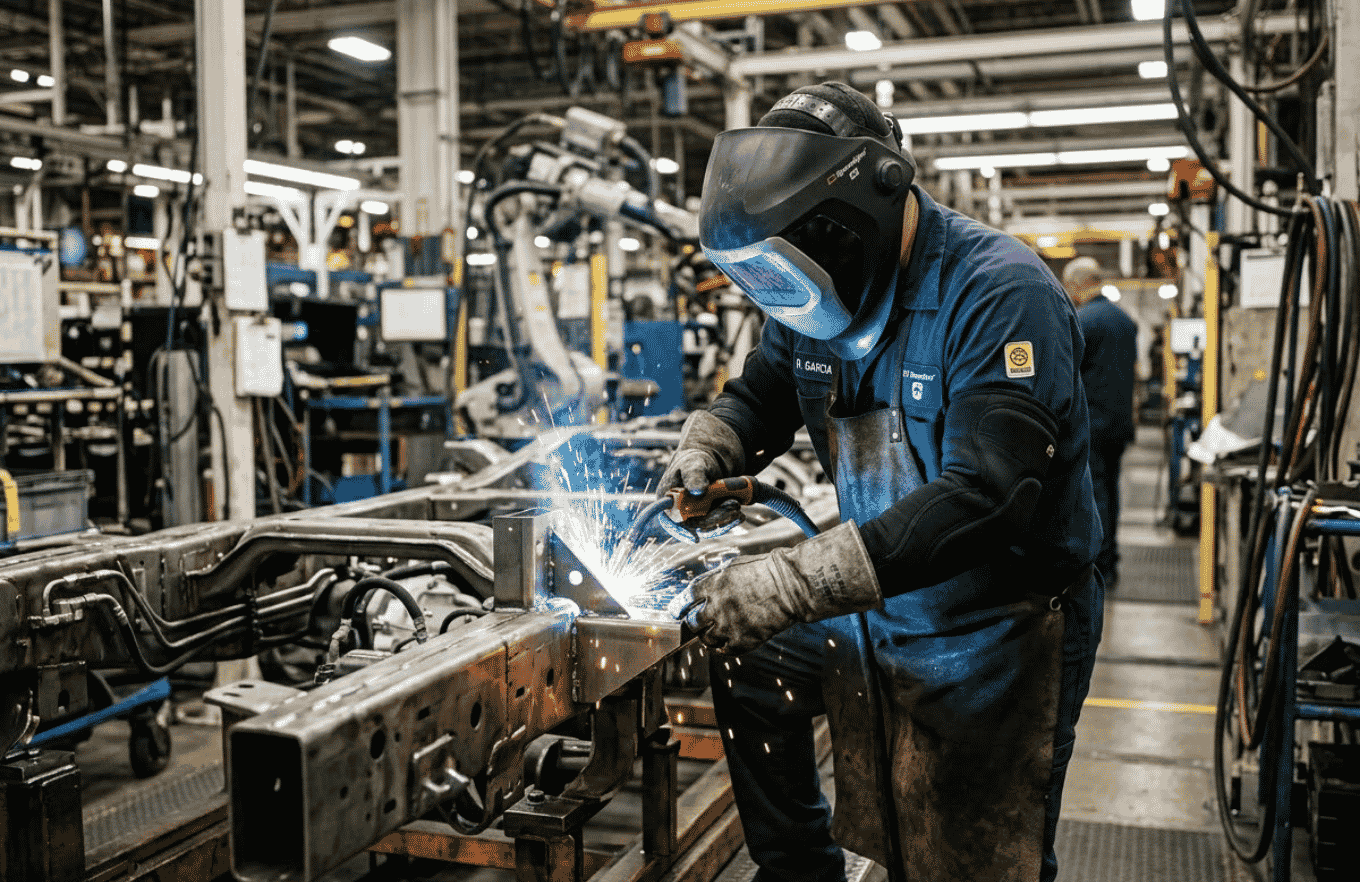
Buyers should confirm the exact standard, edition, class, and performance levels supported for the finished sleeve and its intended market.
ISO 11611:2024 specifies requirements and test methods for protective clothing used during welding and allied processes with comparable risks. In markets using the European adoption, buyers may see EN ISO 11611. The exact designation and edition should match the product documentation.
Request:
● Finished-product test reports and certification where required.
● The approved product specification and intended-use statement.
● Controlled material and construction details.
● Labels, user information, care instructions and cleaning limits.
● Evidence that identifies the exact model, configuration, standard and class.
Class 1 generally addresses lower-hazard welding techniques and conditions, while Class 2 addresses higher-hazard techniques and conditions. Selection must follow the risk assessment and the standard’s intended-use criteria. A fabric test alone does not prove that the complete sleeve meets a class.
Businesses should avoid:
● Selecting by price or material name before defining the exposure.
● Assuming all welding processes require the same class or construction.
● Ignoring overlap, mobility, heat burden and PPE compatibility.
● Accepting a fabric report or general claim as finished-product evidence.
● Ordering in bulk before reviewing specifications, samples and wearer-trial results.
A controlled evaluation helps buyers select sleeves for defined hazards and prevents unapproved changes between sample and bulk production.
Welding sleeves may be used where authorised risk assessments identify the need for additional arm coverage during fabrication, repair, cutting or other hot-work activities, including:
● Steel fabrication.
● Shipbuilding.
● Oil and gas.
● Automotive manufacturing.
● Heavy engineering.
● Railway production.
● Mining.
● Construction.
● Industrial maintenance.
The required sleeve and PPE combination may differ by process, exposure, position and working environment. Industry name alone is not a sufficient selection criterion.
Samad Workwear supports industrial customers with material selection, sleeve development, sampling, manufacturing and quality control. Each proposed product should be reviewed against the customer’s risk assessment, intended use and approved technical specification.
Before product 18302 is promoted publicly, confirm its current material specification, intended use, finished-product test reports, applicable standard and class, care instructions and approved protection claims. Do not describe it as heat resistant or certified unless the exact finished-product evidence supports that wording.
Before product 11110 is promoted publicly, verify its polymer and leather construction, reinforcement locations, intended use, finished-product reports, applicable standard and class, and care limitations. Any claim of enhanced protection must be supported by the approved technical file.
An experienced welding PPE supplier should help buyers translate their intended use into a controlled product specification, provide samples and supporting documents, and reproduce the approved construction consistently.
Samad Workwear supports product development, sampling, manufacturing and quality control. Buyers should request the current documentation for the exact model and confirm its suitability for the intended task and destination market.
Reliable arm protection begins with a task-specific hazard assessment. Buyers should verify material and construction details, coverage, fit, PPE interfaces, the applicable standard and class, finished-product evidence, care limits and production controls.
Sleeves protect only the areas they cover and do not replace engineering controls, safe working procedures or the other PPE required for welding.
Contact Samad Workwear to discuss welding-sleeve requirements and request the current specification and supporting documentation for the proposed finished product.
Not automatically. Required body coverage depends on the task and risk assessment. Sleeves must overlap correctly with the selected gloves and upper-body protective clothing.
Class 1 generally addresses lower-hazard welding techniques and conditions, while Class 2 addresses higher-hazard techniques and conditions. Selection must follow the standard and a task-specific risk assessment.
No. Material choice should consider exposure, duration, mobility, heat burden, care requirements, and documented performance of the exact finished product.