
.webp)
.webp)
.webp)


Explore here how Flame-Resistant Workwear improves workforce safety through proper fabric selection, certified protection, comfort, and long-term industrial performance.
Every industrial workplace presents unique safety challenges. Employees working around heat, sparks, electrical hazards, or combustible materials require protective clothing that performs consistently throughout every shift. Therefore, selecting the wrong garments can reduce comfort, limit mobility, and most importantly, compromise worker safety. That is why businesses should carefully evaluate every aspect of protective clothing before making purchasing decisions rather than focusing only on price.
Choosing Flame-Resistant Workwear requires understanding workplace hazards, industry standards, garment construction, durability, and employee comfort. The right selection improves workplace safety while helping workers remain productive during demanding daily operations.
In this article, we will explain the essential factors businesses should evaluate before purchasing flame-resistant garments, helping employers make informed decisions that improve workforce protection, compliance, and long-term operational efficiency.
Protective clothing serves as one of the first layers of defense against workplace hazards. Employees exposed to flash fires, electrical arcs, welding sparks, radiant heat, or combustible dust require garments specifically engineered for those environments.
Choosing appropriate workwear reduces injury risks while increasing employee confidence and productivity. Organizations that invest in quality protective clothing often experience better compliance, improved worker morale, and fewer workplace incidents.
Moreover, properly designed garments help reduce fatigue by providing greater flexibility, breathability, and comfort during long working hours.
Every industry presents different risks, meaning one garment cannot meet every application.
Before selecting protective clothing, employers should conduct a complete workplace hazard assessment that identifies:
● Exposure to direct flames
● Flash fire risks
● Electric arc hazards
● Welding sparks
● Molten metal exposure
● Hot surface contact
● Chemical splash risks
● Outdoor environmental conditions
The greater the hazard, the more specialized the protective clothing requirements become.
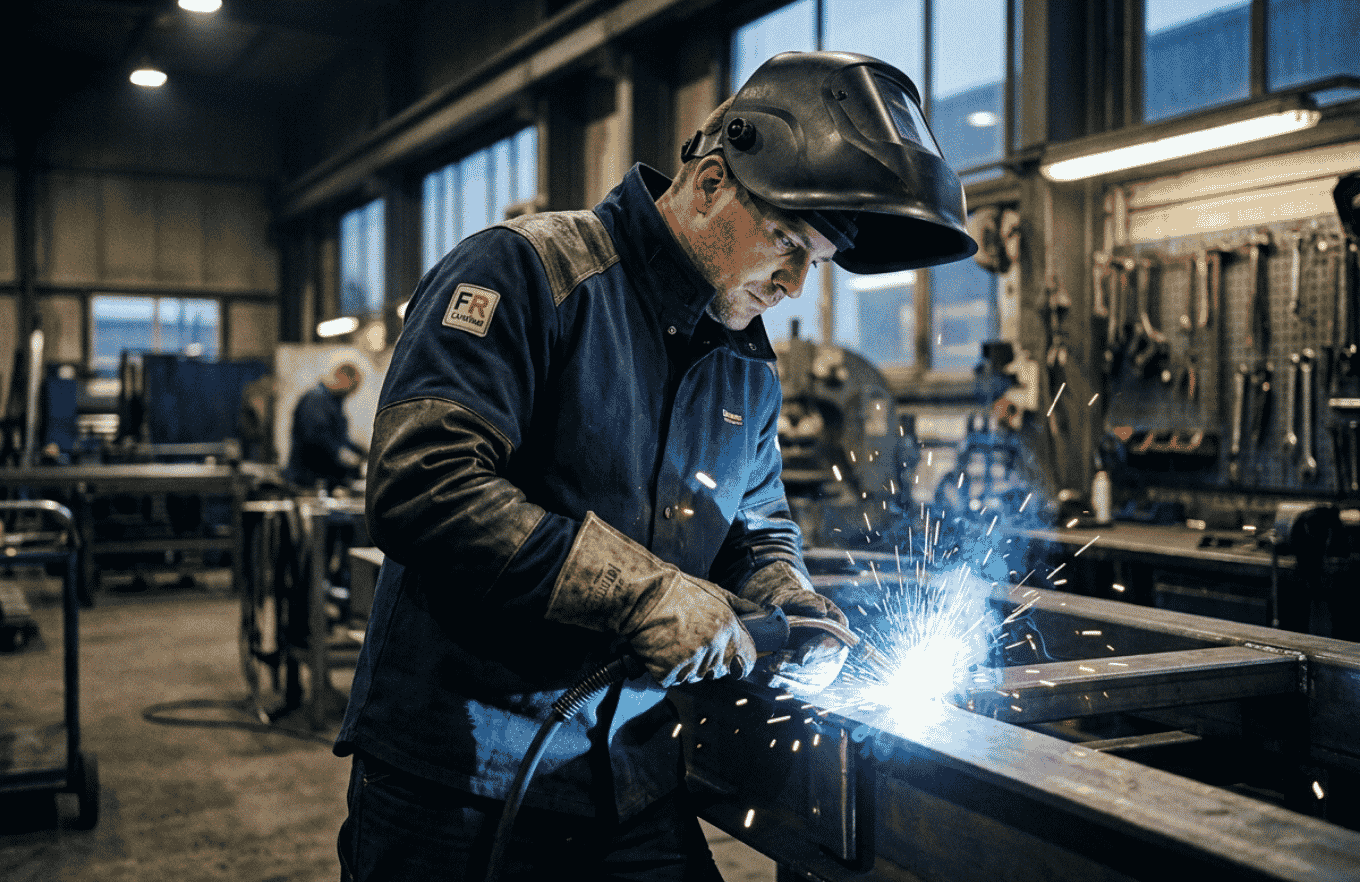
Many industries expose employees to heat, flames, electrical hazards, and combustible materials during routine operations. Selecting the appropriate Flame-Resistant Workwear helps reduce injury risks while supporting workplace safety compliance.
Industries that commonly require flame-resistant protective clothing include:
● Oil and Gas: Protection against flash fires, hydrocarbon explosions, and hazardous process environments.
● Welding and Metal Fabrication: Shields workers from sparks, molten metal, radiant heat, and hot surfaces.
● Electrical Utilities: Reduces injuries from electrical arc flash hazards during installation and maintenance work.
● Manufacturing: Protects employees working around industrial machinery, furnaces, and high-temperature production processes.
● Mining: Provides protection against combustible dust, heavy equipment hazards, and underground operational risks.
● Electrical Maintenance: Supports technicians working on energized systems where arc flash exposure is possible.
● Construction: Protects workers performing hot work, steel fabrication, and infrastructure maintenance activities.
● Petrochemical and Chemical Processing: Helps minimize injury risks from flash fires and hazardous industrial operations.
Different industries face different hazards, making proper hazard assessments essential before selecting flame-resistant garments that meet operational requirements and applicable safety standards.
One of the biggest mistakes organizations make is purchasing garments without verifying internationally recognized certifications.
Certified clothing has been independently tested for specific performance requirements, ensuring consistent protection under industrial conditions. Compliance with recognized standards also demonstrates commitment to workplace safety regulations.
When evaluating certified garments, employers should look for compliance with internationally recognized flame-resistant clothing standards, including:
● EN ISO 11612: Protects workers against heat, flames, and limited molten metal splash in industrial environments.
● EN ISO 11611: Designed specifically for welding operations, protecting against sparks, radiant heat, and molten metal.
● IEC 61482-2: Provides protection against thermal hazards resulting from electrical arc flash incidents during maintenance.
● NFPA 2112: Certifies garments for flash fire protection across oil, gas, petrochemical, and industrial workplaces.
● NFPA 70E: Establishes electrical safety requirements and arc-rated clothing guidelines for energized electrical work.
● ASTM F1506: Specifies performance requirements for arc flash resistant clothing used by electrical utility workers.
Instead of relying on appearance alone, buyers should always request documentation confirming product compliance before placing large orders.
The effectiveness of protective clothing depends largely on fabric selection.
Modern protective fabrics are engineered to balance flame resistance, durability, comfort, and breathability. High-quality materials help garments maintain protective performance after repeated industrial laundering while reducing overall wear and tear.
Selecting appropriate fabric also extends garment lifespan, helping businesses reduce replacement costs over time.

Employees often wear protective garments throughout their entire work shifts.
Poorly designed clothing creates discomfort, restricts movement, and encourages workers to wear garments incorrectly. Comfortable protective clothing promotes better compliance because employees are more likely to wear it consistently.
Look for garments offering:
● Lightweight construction
● Ergonomic pattern design
● Flexible movement
● Breathable materials
● Moisture management
● Reinforced high-stress areas
● Adjustable closures
● Functional storage pockets
Comfort directly contributes to workplace productivity while reducing unnecessary physical fatigue.
Garment sizing plays an important role in worker safety.
Loose garments may snag on equipment, while clothing that is too tight restricts movement and reduces comfort. Properly fitted garments allow employees to perform physically demanding tasks without sacrificing protection.
Many organizations now choose Custom workwear uniforms because tailored sizing improves mobility, enhances professional appearance, and supports better long-term employee satisfaction.
Well-designed Custom workwear uniforms also allow businesses to integrate branding, department identification, and functional features without compromising protective performance.
Industrial garments experience daily exposure to demanding environments, repeated laundering, mechanical abrasion, and heavy physical activity.
When evaluating protective clothing, buyers should examine:
● Fabric strength
● Seam construction
● Reinforced stitching
● Closure durability
● Pocket reinforcement
● Abrasion resistance
● Wash performance
● Color retention
High-quality construction reduces replacement frequency while improving overall value for employers.
Many organizations now consider environmental responsibility alongside workplace safety.
Choosing manufacturers committed to Sustainable Safety Clothing for Industries helps businesses reduce environmental impact while maintaining product quality. Responsible sourcing, efficient manufacturing, and durable garment construction all contribute toward more sustainable industrial operations.
As sustainability continues shaping procurement decisions, Sustainable Safety Clothing for Industries will remain an increasingly valuable investment for organizations seeking long-term operational responsibility.
Choosing the right manufacturer is equally important as selecting the garment itself. An experienced supplier understands industry-specific hazards, certification requirements, quality control processes, and production consistency. Businesses should evaluate manufacturing capabilities, testing procedures, customization options, and after-sales support before placing large orders.
A reliable supplier also provides technical guidance when selecting fabrics, garment designs, and protection levels suitable for different industrial applications. This ensures every employee receives workwear that matches their daily working environment.
Workers wear protective garments for long hours, making their feedback extremely valuable when selecting new workwear.
Organizations should involve employees during product evaluations to better understand:
● Overall comfort throughout the workday
● Ease of movement
● Pocket functionality
● Fit and sizing accuracy
● Breathability in different weather conditions
● Durability after repeated washing
● Practicality for daily industrial tasks
Employee feedback often identifies improvements that technical specifications alone cannot reveal. Comfortable workers are more likely to wear protective garments correctly, resulting in better workplace compliance and improved overall safety.
Selecting the right manufacturing partner provides long-term value beyond simply purchasing garments. Samad Workwear develops industrial workwear that combines safety, durability, comfort, and practical functionality for demanding workplaces.
Every garment is manufactured using strict quality control processes while meeting recognized international performance expectations. From design development to final production, Samad Workwear focuses on delivering reliable protective clothing that supports industrial operations across local and international markets.
Whether serving manufacturing facilities, energy companies, construction projects, or heavy industries, Samad Workwear continues to help organizations improve workforce safety through dependable industrial apparel.
Before making a purchasing decision, employers should verify every important requirement.
● Conduct a workplace hazard assessment.
● Verify internationally recognized certifications.
● Select appropriate protective fabrics.
● Prioritize employee comfort and mobility.
● Choose garments with long-term durability.
● Evaluate customization requirements.
● Review laundering and maintenance recommendations.
● Work with an experienced industrial workwear manufacturer.
● Consider sustainability initiatives.
● Compare long-term value instead of only the initial purchase price.
Moreover, taking time to evaluate these factors helps organizations invest in protective clothing that delivers better performance, longer service life, and greater employee confidence.
Partner with Samad Workwear today for certified industrial workwear solutions that combine superior protection, lasting comfort, dependable quality, and customized performance for every demanding workplace environment.
Choosing the right flame-resistant garments involves much more than selecting clothing with protective labels. Businesses must carefully evaluate workplace hazards, garment certifications, fabric performance, comfort, durability, sizing, and supplier expertise before making purchasing decisions.
A well-planned investment in quality workwear protects employees, supports regulatory compliance, improves operational efficiency, and lowers long-term replacement costs. Organizations that prioritize safety through reliable protective clothing create healthier workplaces while building greater confidence among their workforce. Working with experienced manufacturers such as Samad Workwear helps businesses secure dependable protective solutions designed for modern industrial environments.
Choose certified garments based on workplace hazards, fabric durability, comfort, ergonomic fit, international safety standards, and long-term performance requirements.
They provide improved fit, greater comfort, professional branding opportunities, better mobility, and practical features designed specifically for workplace operations.
Sustainable protective clothing reduces environmental impact, supports responsible manufacturing practices, improves garment longevity, and aligns with modern corporate sustainability initiatives while maintaining workplace safety standards.