
.webp)
.webp)
.webp)


Learn how global buyers can choose a high-visibility workwear manufacturer based on design, compliance, comfort, durability, and export capability.
International buyers sourcing high-visibility clothing must evaluate more than bright colors and reflective tape. Workers may operate near vehicles, heavy machinery, construction equipment, and low-light environments where conspicuity is important.
The right high-visibility clothing should improve wearer recognition while remaining comfortable and practical during demanding shifts. Buyers should consider workplace risks, garment design, fit, durability, applicable standards, documentation, and production consistency.
A suitable garment should also allow natural movement, remain compatible with other PPE, and meet the requirements of the intended export market.
Industrial environments often include multiple moving hazards, including vehicles, machinery, loading operations, and construction activities. Workers need clothing that helps create a clear visual distinction between themselves and the surrounding environment.
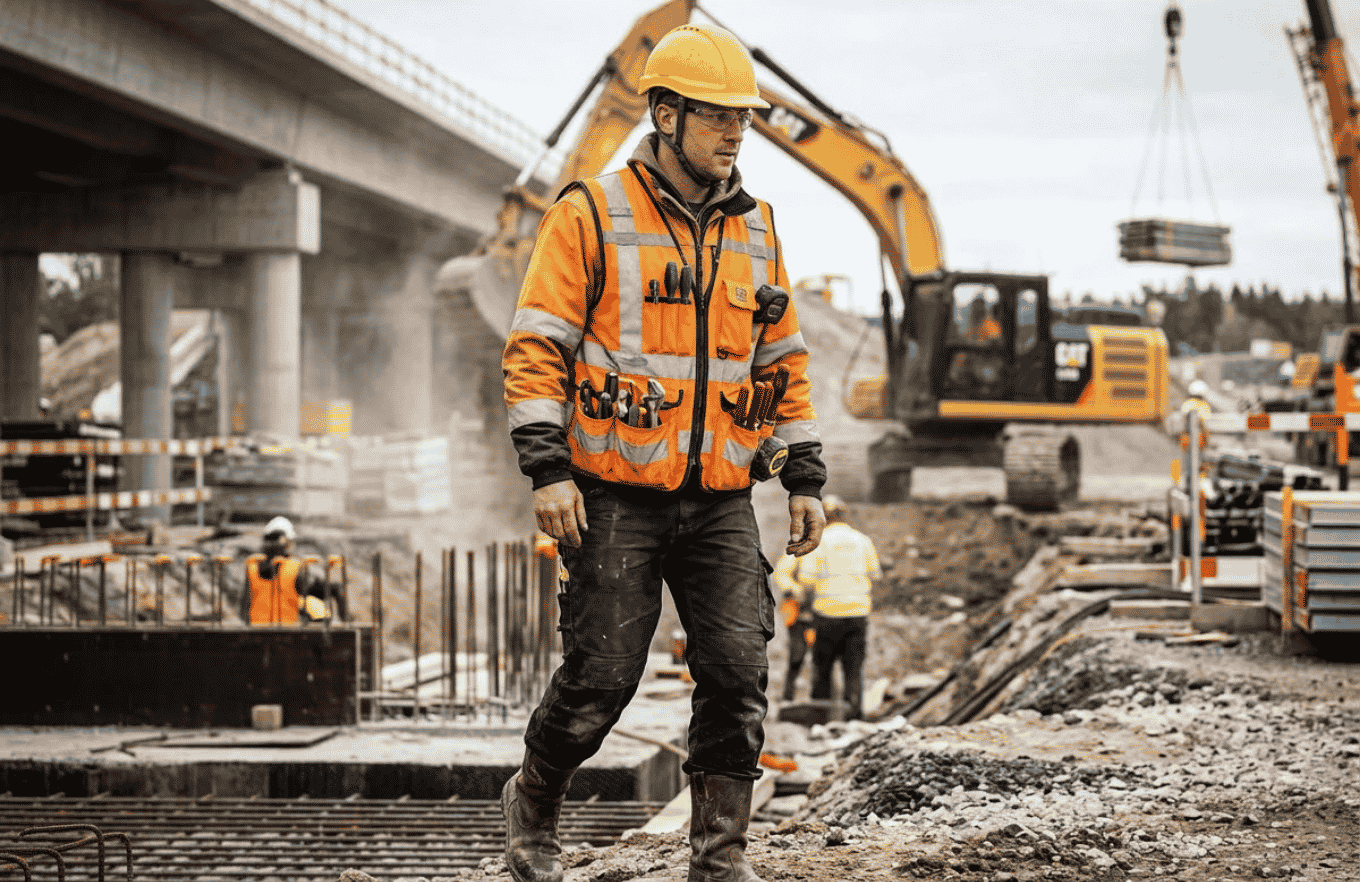
High-visibility garments use fluorescent background materials and retroreflective components to improve conspicuity in relevant working conditions. Background material supports daytime visibility, while retroreflective material returns light toward its source when illuminated.
The correct garment selection should always be based on workplace conditions, worker tasks, and visibility requirements.
The first step is understanding where, when, and how the clothing will be used. Visibility requirements can differ between daylight, low-light, roadside, warehouse, airport, and industrial environments.
Businesses should consider:
● Lighting conditions
● Weather exposure
● Surrounding environment
● Vehicle movement
● Distance between workers and equipment
● Duration of exposure
These factors help determine the suitable garment design, visibility materials, coverage, and required performance class.
High-visibility clothing should support daily activities without restricting movement. Workers may need to bend, climb, reach, carry tools, or operate machinery throughout their shifts.
Practical features may include:
● Comfortable fit
● Secure closures
● Adjustable cuffs
● Functional pockets
● Suitable garment coverage
A garment should provide visibility while allowing workers to perform tasks comfortably and efficiently.
EN ISO 20471 specifies requirements and test methods for high-visibility clothing intended to make the wearer conspicuous in high-risk situations.
The standard considers factors including:
● Background material
● Retroreflective material
● Visible material placement
● Garment design and classification
High-visibility garments are classified as Class 1, Class 2, or Class 3 according to minimum areas of specified visible materials. Garment size and design can affect whether those areas are achieved.
The appropriate class should be selected through a workplace risk assessment and according to the intended application and target-market requirements.
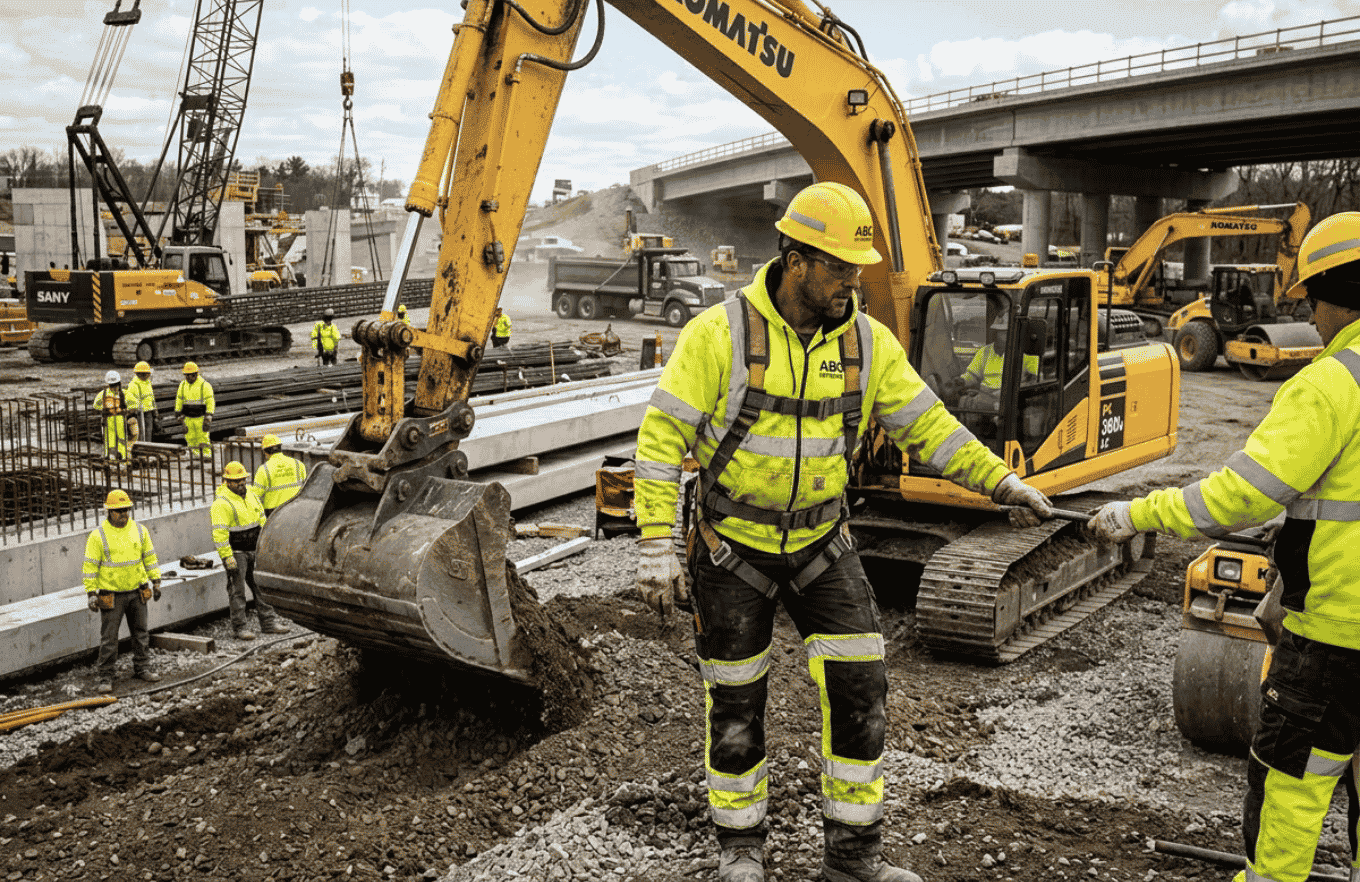
Fluorescent background materials help create contrast between workers and their surroundings and support conspicuity in daytime conditions.
Material performance, visible area, placement, and garment construction all contribute to the final specification. A bright-colored garment alone does not demonstrate compliance with a high-visibility standard.
Retroreflective materials return light toward its source, helping improve wearer recognition when illuminated by vehicle headlights or other directed light.
The placement of retroreflective components is important because workers may need to be recognized from different viewing directions.
Reflective elements may be incorporated around areas such as:
● Torso
● Shoulders
● Arms
● Legs
The final garment design and tape arrangement should be assessed against the applicable requirements for the intended market.
High-visibility clothing is often worn for extended periods, making comfort an important consideration. Poor fit or unsuitable materials may reduce wearer acceptance and affect consistent use.
● Businesses should evaluate:
● Fabric weight
● Breathability
● Ergonomic design
● Sizing accuracy
● Freedom of movement
Durability is also important because industrial garments are exposed to washing, abrasion, dirt, weather, and repeated movement.
An experienced high-visibility clothing supplier should provide information about garment construction, material selection, care requirements, testing, documentation, and intended use conditions.
High-visibility clothing is commonly used in industries where workers operate around vehicles, machinery, traffic, or industrial equipment.
Common applications include:
● Construction and civil engineering
● Road maintenance
● Railway operations
● Transportation
● Airports and ground services
● Oil and gas
● Utilities
● Warehousing and logistics
● Mining
● Industrial maintenance
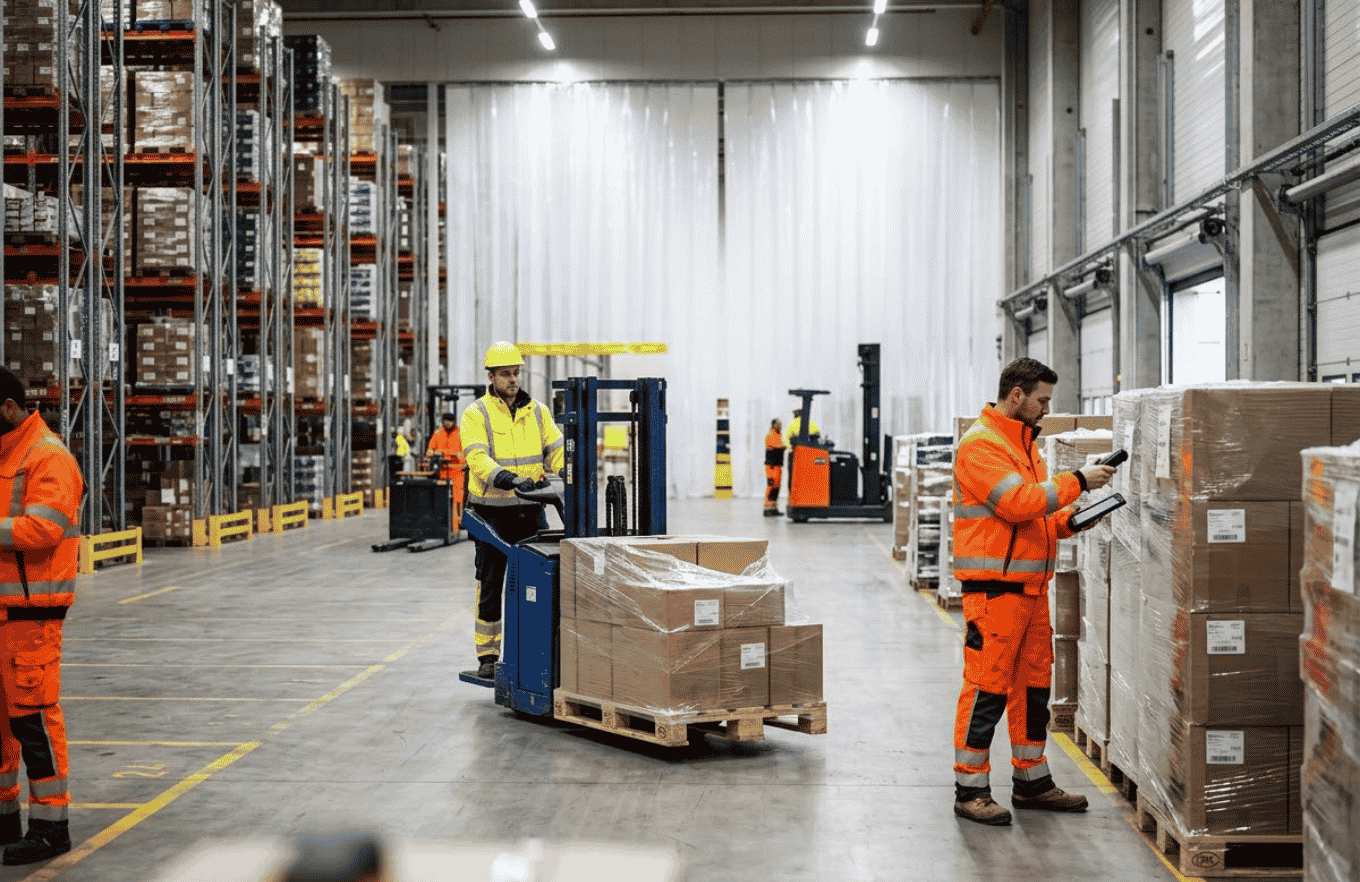
Each industry has different requirements. A road worker may require different visibility features compared with a warehouse employee working around forklifts.
Samad Workwear develops industrial clothing for international importers, PPE brands, distributors, and wholesalers, focusing on visibility, comfort, durability, functional design, and consistent production.
We support buyers through garment development, customization, sampling, private-label manufacturing, quality control, and bulk export production.
We help international buyers establish suitable garment specifications based on workplace conditions, intended use, target-market requirements, branding, and operational needs.
Choosing the right manufacturing partner requires evaluating more than garment appearance. Buyers should consider material selection, construction quality, sizing consistency, technical support, quality controls, and export capability.
We work with importers, brands, distributors, and wholesalers to develop high-visibility garments according to agreed specifications before bulk production.
As an industrial safety clothing manufacturer, we support customized garment development, private labeling, product sampling, and reliable bulk manufacturing for export markets.
Choosing a high-visibility workwear manufacturer for global sourcing requires evaluation of workplace risks, applicable standards, material performance, garment design, comfort, durability, documentation, and production controls. Buyers should verify all compliance claims against the exact finished garment and target-market requirements before ordering.
Contact Samad Workwear to discuss customized high-visibility garments, private-label manufacturing, product sampling, technical specifications, and bulk export requirements.
Buyers should consider workplace hazards, target market, required garment class, fit, fluorescent and retroreflective materials, durability, care requirements, documentation, quality controls, and supplier capability.
EN ISO 20471 covers high-visibility clothing for high-risk situations, including requirements for background and retroreflective materials, minimum visible areas, placement, garment design, testing, and classification.
High-visibility garments should be maintained according to manufacturer instructions. Regular inspection, correct laundering, and replacement of damaged garments help maintain their intended performance.