
.webp)
.webp)
.webp)


Custom workwear uniforms support sustainability and cost efficiency while meeting modern safety standards and industrial protection requirements.
Custom workwear uniforms have become an essential component of modern industrial safety programs. Companies operating in hazardous environments rely on specialized garments to protect workers from extreme temperatures, chemical exposure, and mechanical hazards. As organizations focus more on environmental responsibility and operational efficiency, questions often arise about whether protective clothing can truly balance sustainability with cost-effectiveness.
Today’s industrial buyers increasingly evaluate suppliers not only for safety compliance but also for responsible production practices. A reliable manufacturer understands that durable garments reduce long-term costs while supporting environmental goals. When developed correctly, custom workwear uniforms can provide long-lasting protection, reduce replacement frequency, and align with modern sustainability expectations across industries such as energy, manufacturing, construction, and heavy processing.
Industrial companies are paying closer attention to how protective clothing is manufactured and sourced. This shift is driving demand for environmentally responsible solutions such as eco-friendly industrial uniforms that reduce environmental impact while maintaining high safety performance.
A professional industrial workwear supplier must now consider sustainability as a core component of product development. This includes responsible textile sourcing, efficient manufacturing processes, and durable garment construction that extends product life cycles.
Several factors are contributing to the rise of sustainable industrial apparel.
• Increasing environmental awareness among corporations
• Government regulations encouraging responsible manufacturing
• Rising operational costs linked to frequent garment replacement
• Growing worker expectations for comfortable and durable clothing
By adopting sustainable PPE & protective clothing, organizations can reduce waste while improving worker safety. Companies such as Samad Workwear continue to address these challenges by designing protective garments that combine durability with responsible production practices.

Sustainability in industrial clothing is closely connected to durability. High-quality garments last longer, which significantly reduces replacement costs for businesses. This is one reason many companies prefer to work with a reliable industrial workwear supplier capable of producing protective apparel designed for extended use.
Durable custom workwear uniforms offer long-term financial benefits because they maintain performance even under harsh workplace conditions. Industrial workers often operate in environments involving heat, cold storage facilities, heavy machinery, and chemical exposure. Protective garments must withstand repeated washing, abrasion, and environmental stress without losing effectiveness.
Cost efficiency can be achieved through several factors.
• High-quality fabric construction
• Reinforced stitching and structural durability
• Protective coatings designed for industrial environments
• Ergonomic designs that reduce wear and tear
Manufacturers such as Samad Workwear focus on these design principles to ensure garments remain reliable throughout their operational lifespan.
Industrial workplaces frequently involve extreme environmental conditions that require specialized protective clothing. The development of sustainable PPE & protective clothing allows companies to maintain worker safety while minimizing environmental impact.
Extreme environment workwear is particularly important for industries that involve extreme heat or cold exposure. Protective clothing designed for these conditions must combine advanced materials with durable construction.
Key protective categories include:
• Cold Storage Workwear designed for low-temperature environments
• Heat-resistant workwear used in manufacturing and industrial processing
• Aluminized Workwear for radiant heat protection
• Furnace & Foundry Workwear for molten metal and high-temperature exposure
Samad Workwear has developed solutions within these categories that balance durability with sustainability, helping organizations maintain safety standards while reducing long-term operational costs.
Compliance with international safety standards is essential for any industrial workwear supplier producing protective garments for hazardous workplaces. These standards ensure garments meet strict performance requirements while maintaining worker safety.
EN ISO 11612 – Heat and Flame Protective Clothing
Defines performance requirements for garments protecting workers from heat exposure, flame contact, and molten metal splashes in hazardous industrial environments.
EN ISO 11611 – Welding Protective Clothing
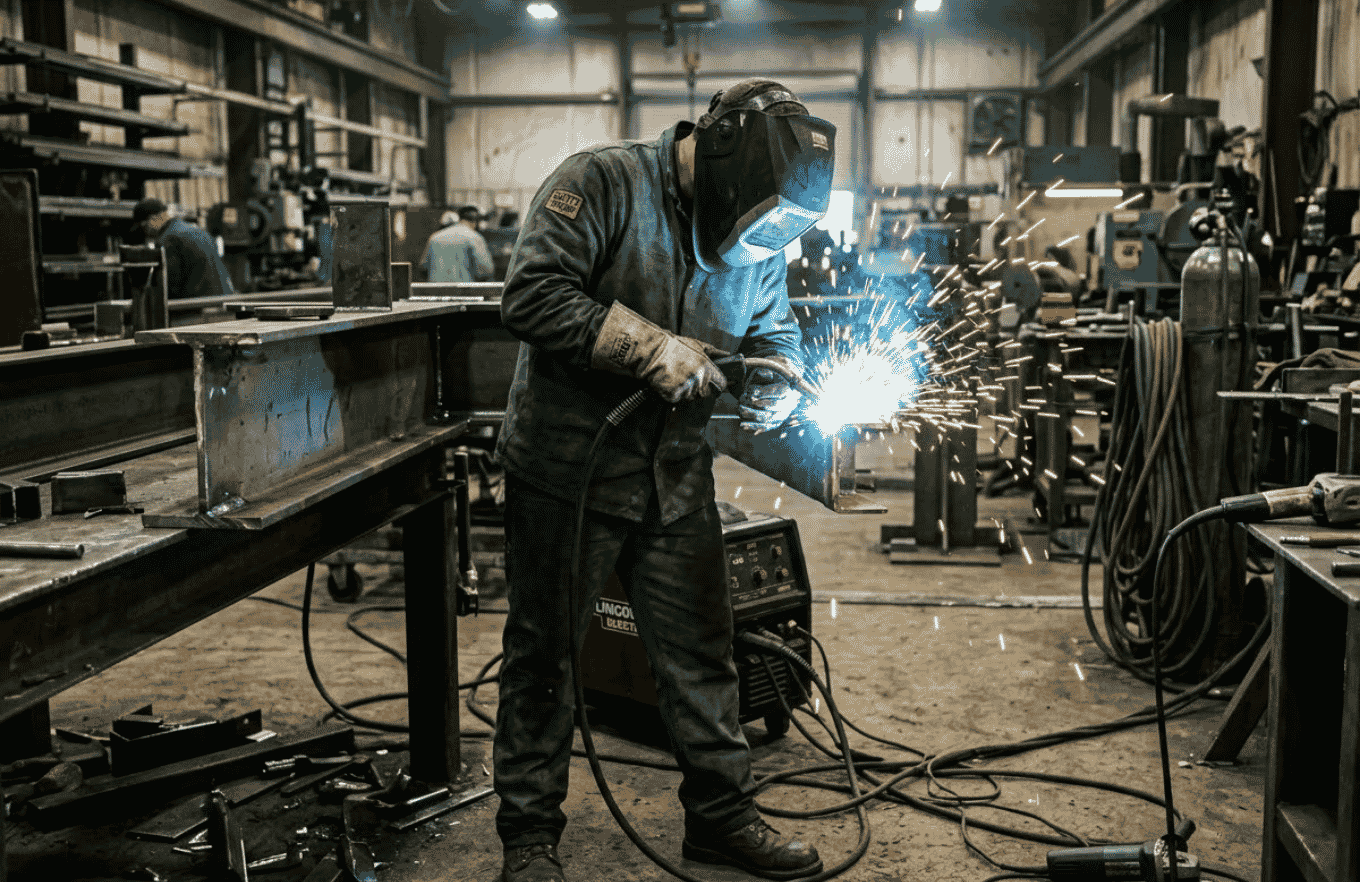
Specifies requirements for garments used during welding operations, ensuring protection against sparks, heat, and molten metal splatter.
EN 342 – Cold Environment Protective Clothing
Establishes thermal insulation and breathability requirements for garments designed to protect workers operating in extremely cold environments.
EN ISO 13688 – General Protective Clothing Requirements
Defines ergonomic design, durability, and comfort standards for protective garments used across multiple industrial sectors.
These certifications support the development of eco-friendly industrial uniforms by ensuring garments remain effective throughout extended use cycles.
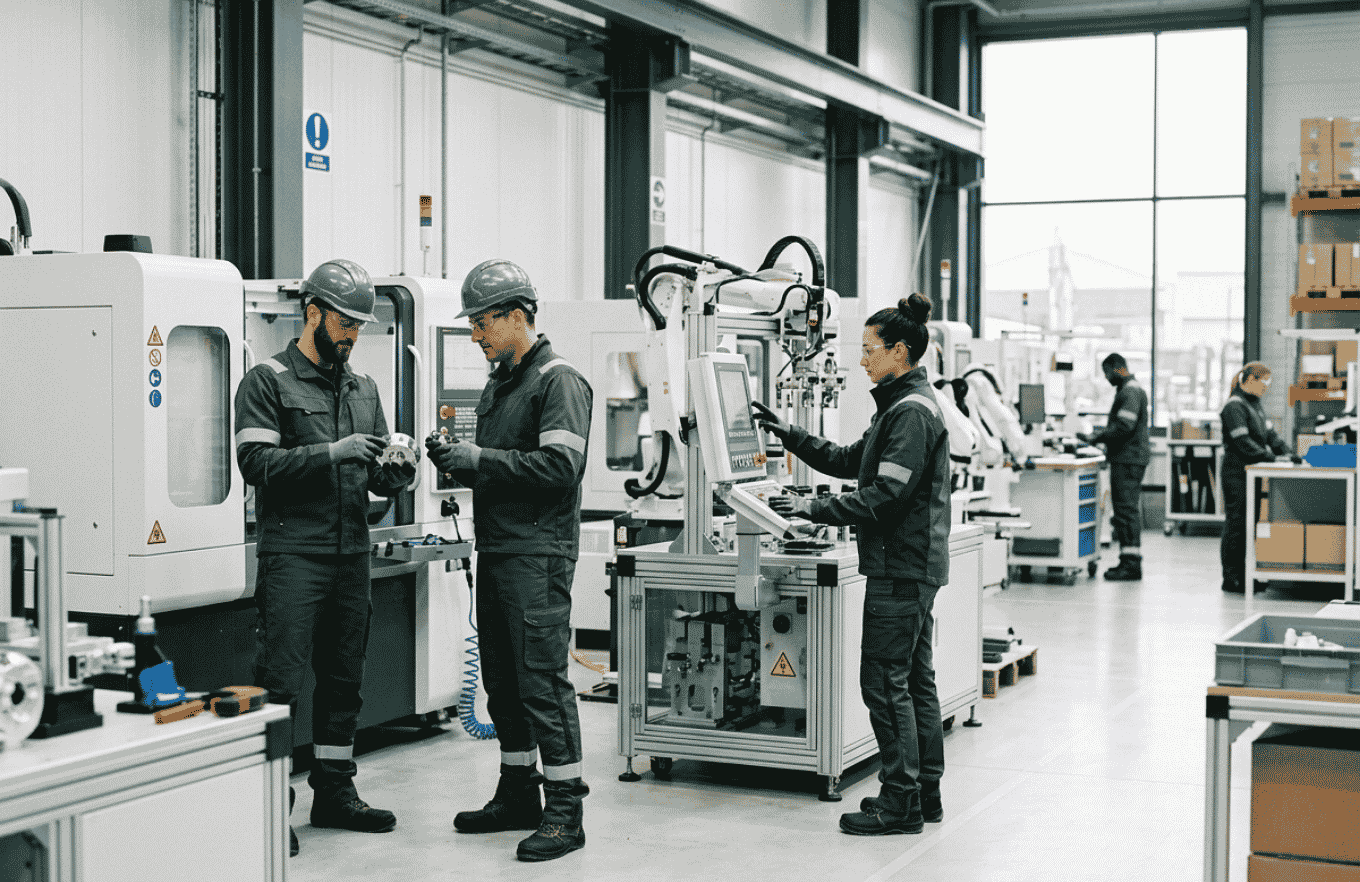
Textile innovation plays a critical role in improving both sustainability and performance in industrial clothing. A modern industrial workwear supplier must evaluate fabric technologies that offer protection while minimizing environmental impact.
Advanced textile developments now allow manufacturers to create garments that combine durability with environmental responsibility. This approach supports the growing demand for sustainable PPE & protective clothing across global industries.
Examples of innovative textile solutions include:
• Flame-resistant treated cotton fabrics
• Inherently flame-resistant fiber blends
• Reflective aluminized materials for radiant heat protection
• Breathable multi-layer protective fabrics
These developments enable the production of custom workwear uniforms capable of performing effectively in demanding industrial environments.
Manufacturers such as Samad Workwear integrate these technologies to deliver protective clothing that supports both safety and sustainability.
Investing in durable and environmentally responsible workwear provides significant long-term benefits for organizations. Companies that prioritize eco-friendly industrial uniforms can reduce operational costs while improving workplace safety compliance.
Sustainable workwear solutions help businesses achieve multiple objectives simultaneously.
• Reduced garment replacement frequency
• Lower operational procurement costs
• Improved corporate sustainability reporting
• Enhanced worker comfort and productivity
By partnering with a reliable industrial workwear supplier, organizations gain access to protective garments designed to meet modern industrial safety expectations.
Samad Workwear continues to support global industries through innovative manufacturing approaches that align safety performance with responsible production practices.
Contact Samad Workwear today to explore sustainable industrial workwear solutions designed to enhance worker safety, durability, and long-term cost efficiency.
The demand for sustainable industrial apparel continues to grow as companies seek solutions that combine safety, durability, and environmental responsibility. Properly designed custom workwear uniforms demonstrate that protective clothing can indeed be both sustainable and cost-effective.
By working with an experienced industrial workwear supplier, organizations gain access to protective garments engineered for extreme environments, including cold storage, furnace operations, and high-temperature industrial processes. In addition, innovations in sustainable PPE & protective clothing and eco-friendly industrial uniforms are helping industries reduce waste while maintaining high safety standards.
Manufacturers such as Samad Workwear illustrate how modern production techniques and durable materials can create protective clothing that meets both operational and environmental goals in the evolving industrial apparel market.
Yes, custom workwear uniforms can be engineered for extreme environments such as cold storage, furnace operations, and high-temperature industries using specialized protective fabrics.
Eco-friendly industrial uniforms reduce waste through durable materials, responsible textile production, and longer garment lifespans that decrease replacement frequency.
An industrial workwear supplier provides certified garments designed to meet international safety standards while addressing specific workplace hazards and operational needs.