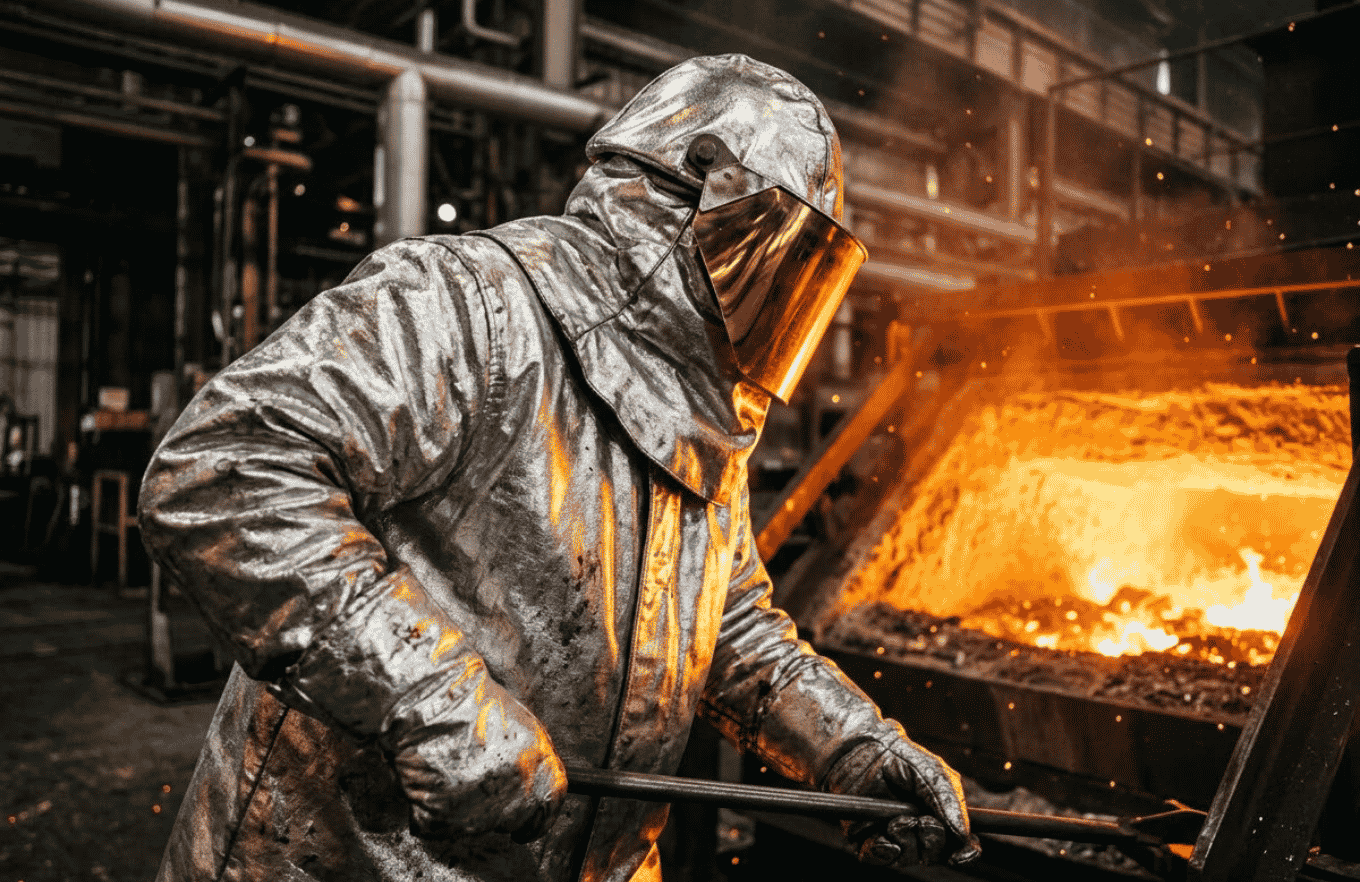
Explore how an OEM Workwear Manufacturer in Pakistan can support quality, customization, production consistency, sustainability, and efficient workwear sourcing for brands.
Choosing the right OEM Workwear Manufacturer in Pakistan is an important decision for brands seeking consistent quality, scalable production, and garments developed around specific requirements. OEM partnerships allow businesses to create workwear according to their own specifications rather than relying entirely on standard designs.
However, production capacity alone does not determine whether an OEM partnership will succeed. Material selection, garment construction, sampling, quality control, customization, communication, and delivery planning all influence the final result. Evaluating these areas carefully can help brands reduce production challenges and build a stronger foundation for long-term growth.
Workwear production requires more than reproducing a basic garment. Depending on the application, products may involve technical fabrics, reinforced construction, functional storage, specialized features, and industry-specific requirements.
A capable manufacturer should be able to translate a brand's design brief into a production-ready garment while maintaining consistency from initial samples through bulk orders.
Production capacity is important, but brands should also assess minimum order quantities (MOQs), production lead times, material sourcing capabilities, sample development, quality management systems, and the manufacturer's ability to handle repeat orders. A reliable OEM partner should demonstrate the ability to maintain consistent product quality while meeting agreed production schedules.
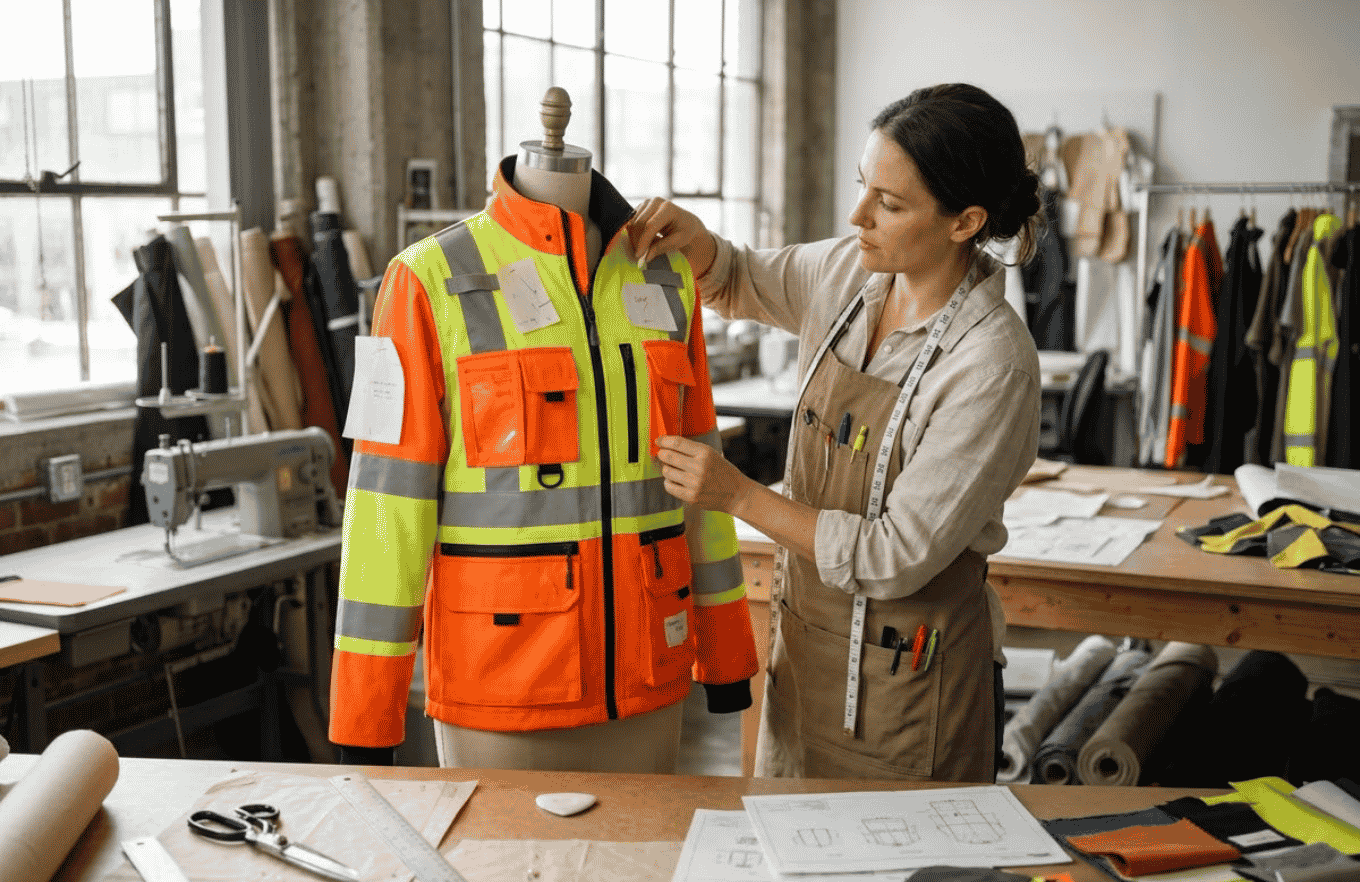
Material selection has a direct influence on workwear performance. Different applications may require fabrics that prioritize durability, flexibility, breathability, abrasion resistance, weather protection, or thermal performance.
An experienced Protective Apparel Factory should be able to explain material options according to the intended application rather than simply offering a fixed fabric selection.
Garment construction deserves the same attention. Reinforced seams, bar-tack stitching, articulated panels, durable closures, functional pockets, and appropriate fit can all affect how garments perform during demanding use.
During sampling, buyers should carefully evaluate garment fit, size grading, stitching quality, fabric performance, pocket placement, closures, labels, branding, and overall construction against the approved technical specifications. Any required modifications should be documented and incorporated into a final pre-production sample before bulk manufacturing begins. This process helps reduce production errors and ensures that finished garments meet the buyer's expectations..
For this reason, Samad Workwear treats development and garment construction as important parts of creating workwear around specific buyer requirements.
A successful sample means little if bulk garments vary from the approved specification. Brands should therefore understand how quality is monitored throughout production.
Fabric inspection, measurement checks, stitching assessment, component verification, and final garment inspection can help maintain consistency. Effective quality control should identify defects before finished garments are packed and shipped, reducing avoidable issues for brands supplying customers across multiple markets.
OEM manufacturing gives brands greater control over garment design. Customization may include fabrics, colors, trims, labels, packaging, logos, pocket configurations, fit, and other functional details.
For workwear brands, these changes should support both identity and functionality. Branding or decorative elements should not interfere with a garment's intended features.
Detailed technical specifications can also reduce misunderstandings. Measurements, approved materials, construction references, artwork, and sample approvals provide clearer production guidelines for both the buyer and manufacturer.

Sustainability is increasingly influencing workwear sourcing decisions. Brands may consider recycled materials, responsible sourcing, production efficiency, durability, and garment longevity when evaluating potential partners.
Eco-Friendly Industrial Uniforms can support these objectives when environmental considerations are incorporated into material and production decisions without compromising practical requirements.
Rather than relying on sustainability claims alone, buyers should examine the manufacturer's material options, production practices, durability considerations, and approach to product lifecycle.
International brands need manufacturing partners that understand the practical requirements of overseas orders. Production schedules, documentation, packaging, labelling, communication, and shipping coordination can all influence an export programme.
A capable Workwear Exporter should be able to maintain agreed specifications and timelines across international orders. Clear communication is particularly important when buyers and production teams operate across different countries and time zones.
For brands targeting international markets, export experience can therefore be an important part of supplier evaluation.
OEM workwear can support brands serving a wide range of industries, including:
● Construction and engineering
● Manufacturing and industrial maintenance
● Oil and gas
● Utilities and infrastructure
● Transportation and logistics
● Hospitality and service operations
Samad Workwear combines workwear manufacturing expertise with attention to material selection, garment construction, customization, and practical industrial requirements. This allows brands to discuss product specifications around actual applications rather than relying solely on standard designs.
For organisations searching for an OEM Workwear Manufacturer in Pakistan, the ability to develop garments around specific technical and branding requirements can help streamline the journey from concept to finished product.
Clear communication across sampling, production, quality control, and delivery also supports greater consistency as a workwear collection expands.
A strong OEM relationship begins with clear expectations. Before bulk production, brands should establish product specifications, quality requirements, sample approvals, quantities, timelines, packaging details, and communication procedures.
A Protective Apparel Factory should therefore be evaluated not only by what it can manufacture, but also by how effectively it manages the complete development and production process.
Future scalability should also be considered. A manufacturer capable of supporting both product development and increasing production volumes can make it easier for brands to expand without repeatedly changing suppliers.
Planning your next workwear collection? Contact Samad Workwear to discuss OEM development, customized production, sampling, and scalable manufacturing for international markets.
All in all, choosing an OEM workwear partner requires careful evaluation of manufacturing expertise, material knowledge, customization, sampling, quality control, sustainability, and export capabilities.
The right manufacturer should understand that workwear combines practical functionality with precise production requirements. With clear specifications and effective communication, an OEM partnership can give brands greater control over their product range while supporting consistent production as the business grows.
Brands should ask about manufacturing capabilities, minimum quantities, materials, sampling, customization, quality control, production timelines, documentation, packaging, and export processes.
An OEM partnership allows brands to develop garments around their specifications, including materials, fit, construction, branding, colors, functional features, and packaging.
Yes. Brands can discuss recycled or responsibly sourced materials, durable construction, production processes, and other sustainability considerations during the OEM development stage.